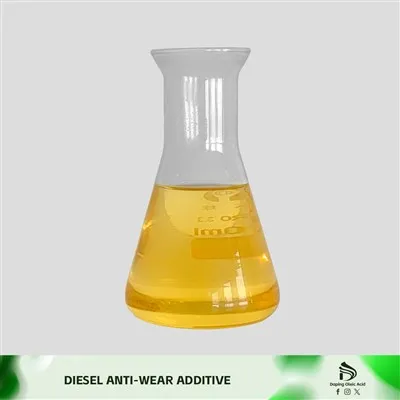
-
![High-Purity Refined Stearic Acid]() High-Purity Refined Stearic AcidDescription:Palm BaseAppearance:In White FlakesPacking:25Kgs Net/Woven Plastic BagApplications:FAC producted through hydrolysis, distillation and other processes based onvegetable oi. Suitable for cosmetics, soap bar, rubber industry,read more
High-Purity Refined Stearic AcidDescription:Palm BaseAppearance:In White FlakesPacking:25Kgs Net/Woven Plastic BagApplications:FAC producted through hydrolysis, distillation and other processes based onvegetable oi. Suitable for cosmetics, soap bar, rubber industry,read more -
![Rubber Grade Triple Pressed Stearic Acid Price]() Rubber Grade Triple Pressed Stearic Acid PriceStearic Acid, Stearic Acid price, price of stearic acid manufacturer / supplier in China, offering Rubber Grade Triple Pressed Stearic Acid Priceread more
Rubber Grade Triple Pressed Stearic Acid PriceStearic Acid, Stearic Acid price, price of stearic acid manufacturer / supplier in China, offering Rubber Grade Triple Pressed Stearic Acid Priceread more -
![Stearic Acid Iodine Value Lower Than 10 Rubber Grade]() Stearic Acid Iodine Value Lower Than 10 Rubber GradeDescription:Vegetable BaseAppearance:White PowderPacking:25Kgs Net/Woven Plastic BagApplications:FAC producted through hydrolysis, distillation and other processes based on vegetable oil. Suitable for cosmetics, soap bar, rubber industry,read more
Stearic Acid Iodine Value Lower Than 10 Rubber GradeDescription:Vegetable BaseAppearance:White PowderPacking:25Kgs Net/Woven Plastic BagApplications:FAC producted through hydrolysis, distillation and other processes based on vegetable oil. Suitable for cosmetics, soap bar, rubber industry,read more -
![Rubber Grade Triple Press Distilled Stearic Acid]() Rubber Grade Triple Press Distilled Stearic AcidDescription:Vegetable Base Appearance:White Powder Packing:25Kgs Net/Woven Plastic Bag Applications:FAC producted through hydrolysis, distillation and other processes based on vegetable oil. Suitable for cosmetics, soap bar, rubberread more
Rubber Grade Triple Press Distilled Stearic AcidDescription:Vegetable Base Appearance:White Powder Packing:25Kgs Net/Woven Plastic Bag Applications:FAC producted through hydrolysis, distillation and other processes based on vegetable oil. Suitable for cosmetics, soap bar, rubberread more -
![White Powder Stearic Acid Manufacture/supplier]() White Powder Stearic Acid Manufacture/supplierDescription:Vegetable BaseAppearance:White PowderPacking:25Kgs Net/Woven Plastic BagApplications:FAC producted through hydrolysis, distillation and other processes based on vegetable oil. Suitable for cosmetics, soap bar, rubber industry,read more
White Powder Stearic Acid Manufacture/supplierDescription:Vegetable BaseAppearance:White PowderPacking:25Kgs Net/Woven Plastic BagApplications:FAC producted through hydrolysis, distillation and other processes based on vegetable oil. Suitable for cosmetics, soap bar, rubber industry,read more -
![Pulk Price Of Stearic Acid Powder Mukml]() Pulk Price Of Stearic Acid Powder MukmlClassification:Carboxylic AcidCAS No.:57-11-4Other Names:organic stearic acidPlace of Origin:Liaoning, ChinaGrade Standard:Industrial GradePurity:99.7%Appearance:White Powder, White PowderApplication:rubber industry,flotation agentBrandread more
Pulk Price Of Stearic Acid Powder MukmlClassification:Carboxylic AcidCAS No.:57-11-4Other Names:organic stearic acidPlace of Origin:Liaoning, ChinaGrade Standard:Industrial GradePurity:99.7%Appearance:White Powder, White PowderApplication:rubber industry,flotation agentBrandread more -
![Stearic Acid Slab/stearic Acid For Pvc]() Stearic Acid Slab/stearic Acid For PvcClassification:Carboxylic AcidCAS No.:57-11-4Other Names:organic stearic acidPlace of Origin:Liaoning, ChinaGrade Standard:Industrial GradePurity:99.7%Appearance:White Powder, White PowderApplication:rubber industry,flotation agentBrandread more
Stearic Acid Slab/stearic Acid For PvcClassification:Carboxylic AcidCAS No.:57-11-4Other Names:organic stearic acidPlace of Origin:Liaoning, ChinaGrade Standard:Industrial GradePurity:99.7%Appearance:White Powder, White PowderApplication:rubber industry,flotation agentBrandread more -
![Stearic Acid Beads Triple Pressed]() Stearic Acid Beads Triple PressedClassification:Carboxylic AcidCAS No.:57-11-4Other Names:organic stearic acidPlace of Origin:Liaoning, ChinaGrade Standard:Industrial GradePurity:99.7%Appearance:White Powder, White PowderApplication:rubber industry,flotation agentBrandread more
Stearic Acid Beads Triple PressedClassification:Carboxylic AcidCAS No.:57-11-4Other Names:organic stearic acidPlace of Origin:Liaoning, ChinaGrade Standard:Industrial GradePurity:99.7%Appearance:White Powder, White PowderApplication:rubber industry,flotation agentBrandread more -
![Soybean Stearic Acid Manufacture Lowest Price]() Soybean Stearic Acid Manufacture Lowest PriceDescription:Vegetable BaseAppearance:White PowderPacking:25Kgs Net/Woven Plastic BagApplications:FAC producted through hydrolysis, distillation and other processes based on vegetable oil. Suitable for cosmetics, soap bar, rubber industry,read more
Soybean Stearic Acid Manufacture Lowest PriceDescription:Vegetable BaseAppearance:White PowderPacking:25Kgs Net/Woven Plastic BagApplications:FAC producted through hydrolysis, distillation and other processes based on vegetable oil. Suitable for cosmetics, soap bar, rubber industry,read more -
![Stearic Acid Emulsion]() Stearic Acid EmulsionDescription:Palm BaseAppearance:In White FlakesPacking:25Kgs Net/Woven Plastic BagApplications:FAC producted through hydrolysis, distillation and other processes based onvegetable oi. Suitable for cosmetics, soap bar, rubber industry,read more
Stearic Acid EmulsionDescription:Palm BaseAppearance:In White FlakesPacking:25Kgs Net/Woven Plastic BagApplications:FAC producted through hydrolysis, distillation and other processes based onvegetable oi. Suitable for cosmetics, soap bar, rubber industry,read more -
![Acid Stearic Acid]() Acid Stearic AcidClassification:Carboxylic AcidCAS No.:57-11-4Other Names:organic stearic acidPlace of Origin:Liaoning, ChinaGrade Standard:Industrial GradePurity:99.7%Appearance:White Powder, White PowderApplication:rubber industry,flotation agentBrandread more
Acid Stearic AcidClassification:Carboxylic AcidCAS No.:57-11-4Other Names:organic stearic acidPlace of Origin:Liaoning, ChinaGrade Standard:Industrial GradePurity:99.7%Appearance:White Powder, White PowderApplication:rubber industry,flotation agentBrandread more -
![Grade Stearic Acid]() Grade Stearic AcidClassification:Carboxylic AcidCAS No.:57-11-4Other Names:organic stearic acidPlace of Origin:Liaoning, ChinaGrade Standard:Industrial GradePurity:99.7%Appearance:White Powder, White PowderApplication:rubber industry,flotation agentBrandread more
Grade Stearic AcidClassification:Carboxylic AcidCAS No.:57-11-4Other Names:organic stearic acidPlace of Origin:Liaoning, ChinaGrade Standard:Industrial GradePurity:99.7%Appearance:White Powder, White PowderApplication:rubber industry,flotation agentBrandread more


Rich Experience
Our corporation was established in 1988 and it's a large-scale private enterprise specializing in production, processing, research and development of soybean oil chemicals. With a history of 30 years on oil industry from 1988 to 2018, it enjoys great reputation in the industry.
Reliable Product Quality
Our corporation takes soybean oil production or tallow production as the raw materials, adpops the most advanced equipments and special rectification techniques to to produce genuine oleic acid and high quality streaic acid etc.
Wide Range Of Applications
Our production have been widely applied to chemical and medical industries, etc which are the indispensable basic materials.
Reliable Customer Support
Our team provides reliable customer support, and we take pride in our prompt response and resolution time.resolution time.
Stearic acid is a long-chain fatty acid. It occurs in a variety of natural sources, including shea butter and coconut oil. Products containing stearic acid may be beneficial for the skin. Stearic acid, found in combined form in natural animal and vegetable fats. Commercial “stearic acid” is a mixture of approximately equal amounts of stearic and palmitic acids and small amounts of oleic acid. It is employed in the manufacture of candles, cosmetics, shaving soaps, lubricants, and pharmaceuticals.
Moisture Retention and Skin Aging
Stearic acid's emollient properties help lock in moisture, keeping the skin hydrated and improving its overall appearance. This can contribute to a more youthful-looking complexion and may help reduce the signs of aging.
Reducing Inflammation
Stearic acid may possess anti-inflammatory properties, helping to soothe irritated skin and reduce redness.
Treatment of Skin Conditions
While not a primary treatment for skin conditions like eczema, the ingredient's moisturizing and anti-inflammatory properties can provide relief and support in managing symptoms when used in conjunction with other treatments.
Skin Barrier Optimization
By helping to maintain the skin's natural moisture barrier, the ingredient can protect the skin from environmental stressors and irritants.
Mild Surfactant
As a mild surfactant, stearic acid can help cleanse the skin without stripping it of its natural oils.
Emulsifier
In skincare formulations, the ingredient acts as an emulsifier, ensuring that oil and water components blend together seamlessly for a smooth, even application.
Texture and Prevention of Separation
Stearic acid contributes to the consistency and texture of skincare products, preventing them from separating or becoming unstable.
Properties of Stearic acid – C18H36O2
| Stearic acid | C18H36O2 |
| Molecular weight of Stearic acid | 284.484 g/mol |
| Density of Stearic acid | 0.9408 g/cm3 |
| Melting Point of Stearic acid | 69.3 °C |
| Boiling point of Stearic acid | 361 °C |
Application of Stearic Acid
Soaps, Shaving Creams and Detergents
Stearic acid is used to harden and thicken products like bars of soap and candles. The presence of stearic acid in soap helps to create a lather when mixed with water, providing a velvety feeling; it is this property that also makes it a must-have ingredient in most shaving foams and creams as well.
Lotions, Moisturizers, and Face Creams
The use of stearic acid in lotions and creams is essential as it helps to add thickness to the product, and gives it a rich, lustrous finish. It also leaves a smooth, velvety feel on the skin when the product is applied. If you carefully check the labels of face creams and moisturizers, you will be able to read that it contains stearic acid.
Candles
We have already seen that stearic acid resembles wax, and that when added to products, it helps to harden and solidify them. This makes them ideal for addition to paraffin candles. The advantage is that a hard candle lasts longer, because fire will take a much longer time to melt a hard candle as compared to a soft one.
Casts and Molds
As it is a gentle chemical, the uses of stearic acid can be found in industrial applications as well. It is often used to make castings and molds; the castings are usually made from a piece of plaster, or broken/waste mold; shellacked clay is used to make a mold using stearic acid.
Rubber
The stearic acid of rubber grade that we offer comes from well-known organisations. This rubber grade stearic acid is used in the processing of the rubber compound as a dispersing agent, plasticizer and lubricant.
Paints & Coatings
Stearic acid is used directly in some paints in the paint sector, for example in cement paints and that is indirectly in different formulations of the coating such as zinc stearates, additives, etc.
Plastics
Stearic acid, as a good gravity and light and heat stability, is commonly employed for PVC pipe, platform, profile, film manufacturing, heat stabilizer manufacturers.PVC plastic tube, stearic acid, is an efficient method for adding a heat stabilizer to the processing of the “coke” in a PVC film and can cause sulfide-finished film de-colouration due to a protection storm.
Batteries
In the making of lead-acid batteries, stearic acid is used as a negative plate additive, as it helps to improve the plate’s hydrophobicity, especially when the battery has to be dry-charged. The stearic acid helps to reduce the oxidation extension of the negative active material, or the lead which forms afresh when the plates are left to dry in the open after the tank formation process is completed.
Playing Cards
When stearic acid reacts with zinc, zinc stearate is formed; this is used as ‘fanning powder’, which helps lubricate playing cards, and helps in smooth shuffling, fanning and so on, of the cards.
Fireworks
Stearic acid is also often used in fireworks for coating aluminum, iron, and other metal powders. This helps to prevent or delay the onset of oxidation, and extend the shelf life of the compositions. You can store them for longer periods of time.
Moisturizers
The ingredient helps lock in moisture and maintain skin hydration, making it a key component in many moisturizing creams, lotions, and facial products.
Sunscreens
It is used in sunscreen formulations to improve the product's texture and stability while offering additional moisturizing benefits.
Makeup
Stearic acid can be found in various makeup products, such as foundations, powders, and mascaras, where it helps maintain the product's consistency, ensuring a smooth application.

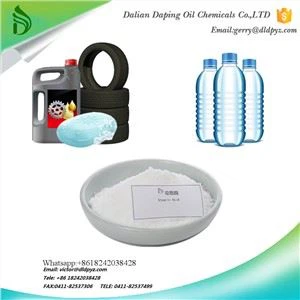
Soaps
As a mild surfactant, the ingredient is often used in soap formulations, helping to cleanse the skin without stripping away its natural oils.
Baby Lotions
Stearic acid's gentle, moisturizing properties make it a popular choice for baby lotion formulations, providing hydration and protection for delicate skin.
Laundry Products
In laundry detergents and fabric softeners, the ingredient acts as a surfactant and softening agent, helping to remove dirt and grime while keeping fabrics soft and fresh.
Tips for Using Stearic Acid Skincare Products
If you're looking to try out stearic acid, here are some tips to keep in mind:
Choose skincare products that don't contain cocoa butter or coconut oil. Instead, look for products sourced from shea butter.
Use the product only as directed on the label, or as advised by your licensed dermatology provider.
Begin by using a small amount of the product. See how your skin tolerates it and check with your dermatology provider if you experience irritated skin.
Keep in mind that everyone's situation is different. So check with your dermatology provider if you have any concerns or questions.
Emulsifier
Stearic acid is a powerful emulsifier, which means it aids in blending ingredients with both water- and oil-based compositions. This is important in creating stable and consistent formulations for skincare products.
Thickening Agent
The thickening properties of stearic acid help to give skincare products a smooth and creamy consistency. This can enhance a product's texture and spreadability, making it simpler to use.
Surfactant
Stearic acid is also a surfactant that aids in the reduction of surface tension in a product. This makes it easier for the product to mix with water and oil-based ingredients.
Skin Conditioning
The moisturising qualities of stearic acid help to smooth and soften the skin. It can also help to create a protective barrier on the skin, reducing moisture loss and preventing dryness and flakiness.
Cleaning Agent
Stearic acid has cleansing properties that make it efficient at removing dirt, oil, and impurities from the skin. It is frequently utilised in facial cleansers to assist in maintaining clear, clean skin.
Long-term energy storage: Energy derived from NADPH and ATP is stored in fatty acids. Fatty acids are esterified to a glycerol backbone to form a group of compounds known as mono-, di- and tri- glycerides (neutral fats). Energy is released when fatty acids are degraded.
Fatty acids are precursors of other molecules: Prostaglandins, prostacyclins, thromboxanes, phospho-lipids, glycolipids, and vitamins.
Structural elements: Fatty acids are important constituents of cell structures such as the membranes.
Stearic Acid is a direct precursor of the n-9 unsaturated fatty acid, Oleic acid.
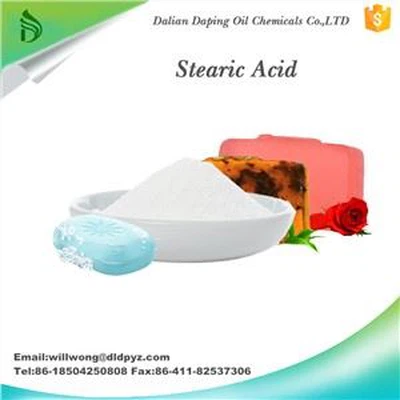
Chemical Attributes of Stearic Acid That Make It a Useful Serum-Free Medium Supplement
Fatty acids (FA) are long-chain carboxylic acids that are insoluble in water. These fatty acid chains can be from 4 to 30 carbons long, but physiologically the most important fatty acids are from 16 to 22 carbons long. Since fatty acids are synthesized naturally by the addition of acetyl groups, they have an even numbers of carbon atoms-C2, C4, etc. They can be saturated or unsaturated. Natural fatty acids have their double bonds in the cis-configuration and are usually esterified to glycerol backbones to form complex lipids. Fatty acids that contain more than one double bond are called polyunsaturated fatty acids (PUFAs).
Fatty Acids Families: A simple way to designate fatty acids is illustrated for oleic acid as follows: 18:1, (n-9). The first number designates that there are 18 carbon atoms in oleic acid, the second number designates that there is one double bond, and the (n-9) indicates position of the double bond carbon closest to the methyl end.
In animals, most fatty acids with 16 or more carbons belong to one of three main fatty acid families. All unsaturated members of a family are n-3, n-6, or n-9. Members of these FA families are not interconvertible.
Palmitic acid family (n-9); palmitic acid is saturated, but unsaturated fatty acids derived from it are of the n-9 type. Palmitic acid is the direct precursor of stearic acid.
Animal cells cannot synthesize fatty acids of the n-3 or n-6 type. They must be provided in the diet and are considered essential fatty acids (EFAs). Animal cells can de novo synthesize palmitic and stearic fatty acid and their n-9 derivatives. However, de novo synthesis requires the utilization of energy. Palmitic acid (C16) is the immediate precursor of stearic acid (C18). In animal cells, oleic acid is created by the dehydrogenation (desaturation) of stearic acid. Oleic acid is further elongated and desaturated into a family of n-9 fatty acids. The demand for energy used to synthesize n-9 fatty acids can be reduced in cell culture by providing palmitic and stearic acids. In addition, since palmitic and stearic acid are saturated, they are not peroxidized during delivery to the cells.
Where Does Stearic Acid Come From, and Is It Vegan?
Well in general it really depends. First, we need to determine where stearic acid comes from. It is created from fats and oils by a process called hydrogeneration. Hydrogeneration is when Hydrogen gas is used to change the chemical structure. Alright, now that we have a rough idea of how it is made what kind of oils are used? Ultimately it depends on the manufacturer. Stearic acid is generally made more abundantly from animals’ fat than it is from vegetable fat/oils, apart from cocoa butter. If you are looking to determine if it is vegan or not looked to see how it is derived, if it is tallow derived that means it most likely comes from beef and mutton fat.
Stearic Acid Safety Profile
Stearic acid is widely used in cosmetic and personal care products due to its generally favourable safety profile. When used in appropriate concentrations, it is considered a low to moderate-hazard ingredient with a low risk of causing skin irritation or sensitization. The Cosmetic Ingredient Review (CIR) Expert Panel determined that stearic acid is safe for use in cosmetic products at concentrations up to 18%. The Scientific Committee on Consumer Safety (SCCS) of the European Union has also examined stearic acid and determined that it is safe to use in cosmetic products at concentrations up to 2%. It is important to note, however, that stearic acid can cause skin irritation or allergic reactions in some people, especially if used in high concentrations or if the skin is already compromised or sensitised. Before using a new stearic acid-containing product, you must conduct a patch test to make sure you won't experience any side effects. Stearic acid is also considered a safe ingredient to use during pregnancy and breastfeeding because it is not absorbed in significant amounts through the skin. However, as with all ingredients used in skincare, it is always advisable to seek medical advice before using any new product while pregnant or nursing.
Stearic Acid in Your Food and Other Uses
Stearic acid is not usually directly used as an ingredient in your food rather it is used indirectly for its lubricity, emulsification, and soft properties. It is used for these qualities in gum and candy. It can also be used as a coating agent on chocolate products to give them the distinct glow and prevents them from sticking together. As stearic acid is easy to produce and relatively cheap it has found uses in a variety of other interesting products. Sometimes it is found in lead-acid batteries to reduce oxidation, candles for structure, grease, pharmaceuticals, and even fireworks.
Environmental Safety and Sustainability of Stearic Acid
Biodegradability
Stearic acid is considered readily biodegradable, meaning that it can break down relatively quickly in the environment. Microorganisms, such as bacteria, play a significant role in breaking down the ingredient into simpler compounds, eventually converting it into carbon dioxide, water, and other natural elements. This process helps reduce the potential for the fatty acid to accumulate in the environment, thus limiting its ecological impact.
Aquatic Life Safety
Although the ingredient is biodegradable, it can be harmful to aquatic life if released into water bodies in large quantities. High concentrations of stearic acid may cause oxygen depletion in water, leading to adverse effects on fish and other aquatic organisms. However, given its biodegradable nature and limited solubility in water, the risk of the ingredient causing long-term harm to aquatic life is relatively low when released in controlled amounts.
Energy Consumption and Sustainability
The production of the ingredient primarily relies on extracting it from plant or animal fats through processes like hydrolysis, followed by purification and separation techniques. While these processes may consume energy, they are relatively energy-efficient compared to the production of synthetic chemicals.
Natural and Synthetic Sources of Stearic Acid
Stearic acid is found naturally in animal fats such as beef tallow, pork lard, and butter, as well as plant oils such as cocoa butter and shea butter. These natural sources of stearic acid are frequently preferred by consumers who favor natural or organic ingredients. In contrast, synthetic stearic acid is typically derived from petroleum or other chemical sources. This stearic acid is frequently employed in commercial settings, including the production of lubricants, plastics, and rubber. In the cosmetics sector, stearic acid can be produced synthetically or naturally. However, synthetic stearic acid can also be used in cosmetic formulations to achieve specific properties or functions. Natural sources of stearic acid are frequently preferred by consumers who prefer natural products.
Our Certifications
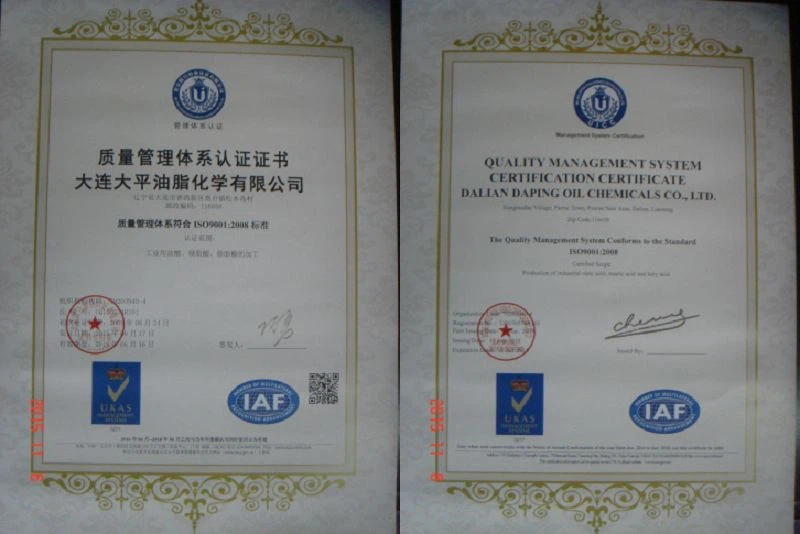
Our Factory
Our corporation was established in 1988 and it's a large-scale private enterprise specializing in production, processing, research and development of soybean oil chemicals. With a history of 30 years on oil industry from 1988 to 2018, it enjoys great reputation in the industry. With business increase of the enterprise and its increase in market share it prossesses, we established a new morden garden-type factory at Dalian chemical garden with the investment capital of RMB100,000,000.- in 2007. The new factory covers are area of 77,000m2 and has almost 200 employees.

Ultimate FAQ Guide to Stearic Acid
We're one of the most professional stearic acid manufacturers in China. If you're interested in stearic acid, please be free to check price and quotation with us. Also, free sample is available.
stearic acid for leather, stearic acid potential, stearic acid boiling point-
![Feeder Grade Palmitic Acid]() Feeder Grade Palmitic AcidPalmitic acid is a high-energy substance that undergoes β-oxidation in animals to release substantial energy. It servesread more
Feeder Grade Palmitic AcidPalmitic acid is a high-energy substance that undergoes β-oxidation in animals to release substantial energy. It servesread more -
![Anti Gel For Diesel Fuel]() Anti Gel For Diesel FuelDescription:Vegetable BaseAppearance:LiquidProduct Summery:FAC producted through hydrolysis, distillation and otherread more
Anti Gel For Diesel FuelDescription:Vegetable BaseAppearance:LiquidProduct Summery:FAC producted through hydrolysis, distillation and otherread more -
![Best Anti Gel Diesel Fuel Additive]() Best Anti Gel Diesel Fuel AdditiveDescription:Vegetable BaseAppearance:LiquidProduct Summery:FAC producted through hydrolysis, distillation and otherread more
Best Anti Gel Diesel Fuel AdditiveDescription:Vegetable BaseAppearance:LiquidProduct Summery:FAC producted through hydrolysis, distillation and otherread more -
![Anti Gel Diesel Additive]() Anti Gel Diesel AdditiveDescription:Vegetable BaseAppearance:LiquidProduct Summery:FAC producted through hydrolysis, distillation and otherread more
Anti Gel Diesel AdditiveDescription:Vegetable BaseAppearance:LiquidProduct Summery:FAC producted through hydrolysis, distillation and otherread more -
![Diesel Fuel Supplement Cetane Boost]() Diesel Fuel Supplement Cetane BoostDescription:Vegetable BaseAppearance:LiquidProduct Summery:FAC producted through hydrolysis, distillation and otherread more
Diesel Fuel Supplement Cetane BoostDescription:Vegetable BaseAppearance:LiquidProduct Summery:FAC producted through hydrolysis, distillation and otherread more -
![Hot Shots Diesel Anti Gel]() Hot Shots Diesel Anti GelDescription:Vegetable BaseAppearance:LiquidProduct Summery:FAC producted through hydrolysis, distillation and otherread more
Hot Shots Diesel Anti GelDescription:Vegetable BaseAppearance:LiquidProduct Summery:FAC producted through hydrolysis, distillation and otherread more