Wound healing is a complex and dynamic biological process that involves a series of overlapping phases, including hemostasis, inflammation, proliferation, and remodeling. Fatty acids, which are essential components of cell membranes and play a variety of physiological roles in the body, have emerged as important regulators of wound healing. As a leading fatty acid supplier, we are committed to providing high - quality fatty acid products and exploring their potential applications in the field of wound healing.
The Basics of Fatty Acids
Fatty acids are carboxylic acids with a long aliphatic chain, which can be either saturated or unsaturated. Saturated fatty acids have no double bonds in their carbon chains, while unsaturated fatty acids contain one or more double bonds. The most well - known unsaturated fatty acids are omega - 3 and omega - 6 fatty acids, which are essential fatty acids, meaning that the human body cannot synthesize them and must obtain them from the diet.
Omega - 3 fatty acids, such as eicosapentaenoic acid (EPA) and docosahexaenoic acid (DHA), are abundant in fatty fish, flaxseeds, and walnuts. Omega - 6 fatty acids, including linoleic acid and arachidonic acid, are commonly found in vegetable oils, meats, and poultry. These fatty acids are not only important for maintaining normal cell membrane structure and function but also serve as precursors for the synthesis of bioactive lipid mediators, such as prostaglandins, leukotrienes, and resolvins.
The Role of Fatty Acids in the Inflammatory Phase of Wound Healing
The inflammatory phase is the first stage of wound healing and is characterized by the recruitment of immune cells, such as neutrophils and macrophages, to the wound site. These immune cells play a crucial role in clearing debris and pathogens from the wound. Fatty acids, especially omega - 3 fatty acids, can modulate the inflammatory response during wound healing.
Omega - 3 fatty acids can compete with omega - 6 fatty acids for the same enzymes, such as cyclooxygenase (COX) and lipoxygenase (LOX). When omega - 3 fatty acids are incorporated into cell membranes, they are metabolized to form anti - inflammatory lipid mediators, such as resolvins and protectins. These mediators can reduce the production of pro - inflammatory cytokines, such as tumor necrosis factor - alpha (TNF - α), interleukin - 1 beta (IL - 1β), and interleukin - 6 (IL - 6), and inhibit the recruitment and activation of immune cells at the wound site.
In contrast, omega - 6 fatty acids are metabolized to pro - inflammatory prostaglandins and leukotrienes. An imbalance between omega - 3 and omega - 6 fatty acids in the diet can lead to an exaggerated inflammatory response, which may delay wound healing. Therefore, maintaining an appropriate ratio of omega - 3 to omega - 6 fatty acids is crucial for optimal wound healing.
Fatty Acids in the Proliferative Phase
The proliferative phase of wound healing involves the formation of new blood vessels (angiogenesis), the proliferation of fibroblasts, and the synthesis of extracellular matrix (ECM) components, such as collagen. Fatty acids can influence these processes in several ways.
Omega - 3 fatty acids have been shown to promote angiogenesis by increasing the expression of vascular endothelial growth factor (VEGF), a key regulator of blood vessel formation. VEGF stimulates the proliferation and migration of endothelial cells, which are essential for the formation of new blood vessels at the wound site. In addition, fatty acids can provide energy for the highly metabolically active cells involved in wound healing, such as fibroblasts and endothelial cells.
Fibroblasts are responsible for synthesizing and depositing ECM components, such as collagen, which provides structural support for the wound. Fatty acids can modulate fibroblast function by regulating gene expression and cell signaling pathways. For example, some fatty acids can enhance the production of collagen by fibroblasts, which is important for wound strength and integrity.
Fatty Acids in the Remodeling Phase
The remodeling phase of wound healing is a long - term process that involves the reorganization and maturation of the ECM. The goal of this phase is to restore the normal structure and function of the tissue. Fatty acids can play a role in this phase by influencing the activity of matrix metalloproteinases (MMPs) and tissue inhibitors of metalloproteinases (TIMPs).
MMPs are a family of enzymes that can degrade ECM components, while TIMPs can inhibit the activity of MMPs. An imbalance between MMPs and TIMPs can lead to excessive ECM degradation or deposition, which can affect wound healing. Fatty acids can regulate the expression and activity of MMPs and TIMPs, thereby promoting the proper remodeling of the wound.
Our Fatty Acid Products for Wound Healing
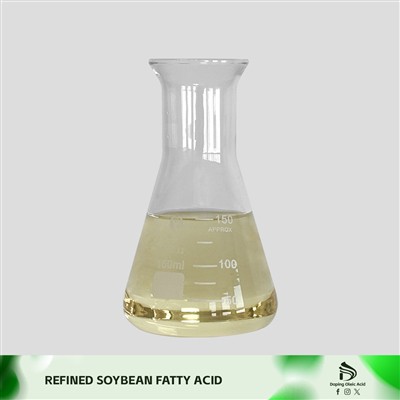
As a fatty acid supplier, we offer a wide range of high - quality fatty acid products that may have potential applications in wound healing. Our Lithium Collecting Agent/soyabean Fatty Acid is a refined product with specific chemical properties that may be beneficial in various industrial and potentially biomedical applications related to wound care research.
We also provide Soya Fatty Acid Price information for customers interested in our soya - derived fatty acid products. These products are rich in various fatty acids and can be used in different formulations for exploring their effects on wound healing.
In addition, our Low Solidifying Point Antiware Agent -12 has unique physical and chemical characteristics, which may be relevant in the development of wound - healing products that require specific formulations and stabilities.
Conclusion and Call to Action
In conclusion, fatty acids play a multifaceted role in wound healing, from modulating the inflammatory response to promoting angiogenesis, fibroblast proliferation, and ECM remodeling. Our understanding of the role of fatty acids in wound healing is constantly evolving, and there is great potential for the development of fatty - acid - based therapies for improving wound - healing outcomes.
As a reliable fatty acid supplier, we are dedicated to providing the highest - quality fatty acid products to support research and development in the field of wound healing. If you are interested in our fatty acid products or have any questions about their potential applications in wound healing, please feel free to contact us for further discussion and procurement negotiation. We look forward to collaborating with you to explore the exciting possibilities of fatty acids in promoting better wound - healing solutions.

References
- Calder PC. Omega-3 fatty acids and inflammatory processes. Biochem Soc Trans. 2015;43(5):936-942.
- Eming SA, Martin P, Tomic - Canic M. Wound repair and regeneration: mechanisms, signaling, and translation. Sci Transl Med. 2014;6(265):265sr6.
- Schmidlin F, Bielefeldt - Ohmann H, Pruzanski W. Fatty acids and their metabolites in inflammation and wound healing. Prostaglandins Leukot Essent Fatty Acids. 1990;40(3):173 - 183.