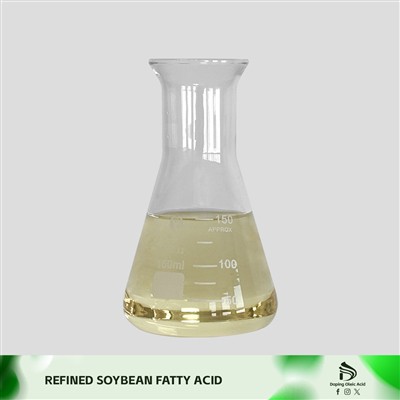
Can soya stearic acid be used in candles? This is a question I often encounter as a supplier of Soya Stearic Acid. In this blog post, I'll delve into the science behind using soya stearic acid in candles, exploring its properties, benefits, and drawbacks.
Understanding Soya Stearic Acid
Soya stearic acid is a natural fatty acid derived from soybean oil. It's a solid at room temperature, with a melting point typically around 69 - 72°C. Chemically, it belongs to the group of saturated fatty acids, with a long hydrocarbon chain ending in a carboxyl group (-COOH). This chemical structure gives it unique physical and chemical properties that make it useful in a variety of industries, including the plastic industry. For more information on the applications of soya stearic acid in the plastic industry, you can visit Soya Stearic Acid for Plastic Industry.
Why Consider Using Soya Stearic Acid in Candles?
1. Hardening Agent
One of the primary reasons for using soya stearic acid in candles is its ability to act as a hardening agent. When added to candle wax, it increases the wax's melting point and hardness. This is particularly important for candles that will be exposed to warmer temperatures. A harder candle is less likely to warp or melt out of shape, ensuring that the candle maintains its aesthetic appeal and functionality. For example, in a living room where the ambient temperature can rise due to sunlight or heating, a candle with soya stearic acid as a hardening agent will hold its shape better than a regular candle.
2. Improving Burning Characteristics
Soya stearic acid can also enhance the burning characteristics of candles. It helps to create a more even burn, reducing the likelihood of tunneling. Tunneling occurs when the wax burns only in the center of the candle, leaving a ring of unburned wax around the edges. By adding soya stearic acid, the wax melts more evenly across the surface of the candle, providing a cleaner and more consistent burn. This not only improves the overall appearance of the candle as it burns but also makes the most of the wax, extending the candle's lifespan.
3. Fragrance Retention
Another advantage is its ability to improve fragrance retention. Many people use candles for their pleasant scents, and soya stearic acid can help the candle wax hold onto the fragrance oils better. This means that the candle will release a stronger and longer - lasting scent as it burns, providing a more immersive olfactory experience for the user.
The Process of Using Soya Stearic Acid in Candles
The process of incorporating soya stearic acid into candle - making is relatively straightforward. First, you need to select a high - quality soya stearic acid. At our company, we offer Soya Stearic Acid in High Quality.
The typical ratio of soya stearic acid to wax can vary depending on the type of wax and the desired properties of the candle. For paraffin wax, a common ratio is around 5 - 10% soya stearic acid by weight. For soy wax, the percentage may be lower, usually around 2 - 5% because soy wax already has some natural hardness.
When making the candles, the wax and soya stearic acid are melted together in a double boiler. This helps to ensure an even distribution of the stearic acid throughout the wax. Once the mixture has melted and is well - combined, you can add fragrance oils, colorants, and a wick. Pour the mixture into candle molds and allow it to cool and solidify.
Drawbacks and Considerations
While soya stearic acid offers many benefits for candle - making, there are also some drawbacks to consider.
1. Cost
Soya stearic acid can be more expensive than some other additives or raw materials used in candle - making. This can increase the overall production cost of the candles, which may be a concern for small - scale candle makers or those on a tight budget.
2. Allergic Reactions
Although rare, some people may have allergic reactions to soya stearic acid. This is something to keep in mind, especially for candles that will be used in enclosed spaces or by people with sensitive skin or respiratory conditions.
3. Impact on Wax Color
In some cases, adding soya stearic acid can slightly affect the color of the wax. It may cause the wax to become slightly more opaque or change its hue, which can be a problem for candle makers who want to achieve a specific color or a clear, transparent look.

Soya Stearic Acid Quality and Purity
The quality and purity of the soya stearic acid you use can have a significant impact on the performance of the candles. For instance, our Stearic Acid Beads Triple Pressed undergoes a triple - pressing process to ensure high purity. Impurities in the stearic acid can lead to issues such as uneven burning, poor fragrance retention, or an unpleasant odor when the candle burns.
Market Demand and Consumer Preferences
In recent years, there has been a growing trend towards natural and sustainable products in the consumer market. Soya stearic acid, being derived from soybeans, is often considered a more natural alternative compared to some other chemicals used in candle - making. This can be a major selling point for candle makers, as many consumers are willing to pay a premium for candles that are perceived as being more environmentally friendly and less harmful to health.
Conclusion
In conclusion, soya stearic acid can indeed be used in candles, and it offers numerous benefits such as hardening the wax, improving burning characteristics, and enhancing fragrance retention. However, it also has some drawbacks, including cost and potential allergic reactions. As a supplier of soya stearic acid, we are committed to providing high - quality products that can help candle makers create superior candles. Whether you are a large - scale manufacturer or a small - business owner in the candle - making industry, we can offer the soya stearic acid solutions you need.
If you're interested in learning more about our soya stearic acid products or would like to start a procurement discussion, please don't hesitate to reach out. We look forward to partnering with you to create the best candles possible.
References
- "The Chemistry of Candle - Making" by Candle Chemistry Press
- "Handbook of Fatty Acids and Their Derivatives" by Chemical Industry Publishers