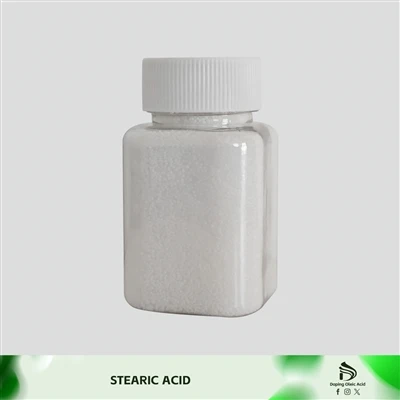
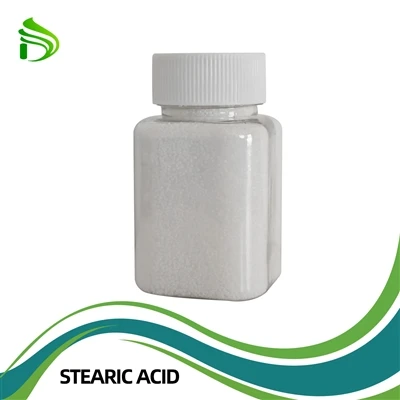
Hey there! I'm a supplier from a stearic acid factory, and today I wanna chat about the certifications that a stearic acid factory should have. These certifications aren't just pieces of paper; they're crucial for building trust with customers, ensuring product quality, and meeting industry standards.
First off, let's talk about ISO certifications. ISO 9001 is a big one. It's all about quality management systems. When a stearic acid factory has ISO 9001 certification, it means they've got a well - established system in place to ensure consistent product quality. This includes everything from raw material sourcing to the final packaging of the stearic acid. For us as a factory, it helps us identify areas where we can improve our processes. It also gives our customers confidence that the stearic acid they're buying meets a certain quality benchmark.
The thing about ISO 9001 is that it's not a one - time deal. Factories need to go through regular audits to maintain their certification. This keeps us on our toes and makes sure we're always striving to do better. So, if you're in the market for stearic acid, look for a factory with ISO 9001. It's a sign that they take quality seriously.


Another important ISO certification is ISO 14001. This one focuses on environmental management. In today's world, being environmentally friendly is not just a nice - to - have; it's a must. With ISO 14001, our factory has to manage its environmental impact. We've got to reduce waste, control pollution, and use resources more efficiently.
For example, we're constantly looking for ways to minimize the energy we use in the production process. We also have strict protocols for waste disposal. When customers see that our factory has ISO 14001 certification, they know that we're not only providing a good product but also doing our part to protect the environment.
Apart from ISO certifications, there are industry - specific certifications. For stearic acid, the REACH (Registration, Evaluation, Authorization and Restriction of Chemicals) certification is super important. REACH is a European Union regulation that aims to protect human health and the environment from the risks that can be posed by chemicals.
When our factory has REACH certification, it means that we've registered all the relevant information about our stearic acid, including its properties, uses, and safety measures. This certification is especially important if you're looking to sell stearic acid in the European market. Without it, you'll face a lot of barriers.
Now, let's get into some of the product - specific certifications. If you're interested in Soybean Stearic Acid Manufacture Lowest Price, it's important to know that there are certifications related to the source of the raw materials and the manufacturing process. Some certifications ensure that the soybeans used in the production are non - genetically modified (non - GMO). This is a big deal for customers who have specific requirements regarding the origin and nature of the raw materials.
For Stearic Acid Iodine Value Lower Than 10 Rubber Grade, there are certifications that confirm the iodine value. The iodine value is an important parameter as it affects the properties of the stearic acid, especially its suitability for use in rubber applications. A certification for this specific property gives customers the assurance that the product they're getting will perform as expected in their rubber manufacturing processes.
When it comes to Rubber Grade Triple Press Distilled Stearic Acid, there are certifications related to the manufacturing process. The triple - press distillation process is a specialized method that can result in a higher - quality product. A certification for this process ensures that the stearic acid has gone through the proper steps and meets the standards for rubber - grade use.
There are also safety certifications. For example, OSHA (Occupational Safety and Health Administration) - related certifications are important for the safety of the workers in the factory. A factory with good safety certifications shows that it cares about its employees. And when a factory takes care of its workers, it's more likely to produce a high - quality product.
So, as you can see, there are a whole bunch of certifications that a stearic acid factory should have. These certifications not only protect the customers but also help the factory to improve its operations. If you're thinking about buying stearic acid, make sure to ask the supplier about these certifications. Don't be afraid to dig deep and understand what each certification means.
If you're interested in starting a discussion about your stearic acid needs, whether it's for a small - scale project or a large - scale manufacturing operation, I'd love to have a chat with you. We're here to offer the best products and services based on our certified processes.
References
- ISO official documentation
- REACH regulation guideline
- Industry reports on stearic acid quality and certifications