In the realm of industrial chemistry, soybean fatty acid production has emerged as a significant economic force, offering a multitude of benefits that extend far beyond the agricultural sector. As a leading supplier of soybean fatty acids, I have witnessed firsthand the transformative impact this product has on various industries and the broader economy. In this blog post, I will delve into the economic advantages of soybean fatty acid production, exploring its diverse applications, market potential, and the positive ripple effects it creates.
Diverse Applications and Market Demand
One of the key economic benefits of soybean fatty acid production lies in its versatility. Soybean fatty acids are derived from soybean oil through a process of hydrolysis, which breaks down the triglycerides into fatty acids and glycerol. These fatty acids are then further processed and refined to produce a wide range of products with diverse applications across multiple industries.
In the personal care industry, soybean fatty acids are used in the production of soaps, shampoos, conditioners, and other cosmetic products. Their natural origin, mildness, and moisturizing properties make them an ideal ingredient for these applications, appealing to consumers who are increasingly seeking natural and sustainable alternatives. The demand for personal care products containing soybean fatty acids has been steadily growing, driven by consumer preferences for eco-friendly and health-conscious options.
In the industrial sector, soybean fatty acids are used as raw materials for the production of lubricants, plasticizers, and surfactants. Lubricants made from soybean fatty acids offer excellent lubricity, biodegradability, and low toxicity, making them a preferred choice for applications in the automotive, aerospace, and manufacturing industries. Plasticizers derived from soybean fatty acids are used to improve the flexibility and durability of plastics, while surfactants are used in a variety of applications, including detergents, emulsifiers, and wetting agents.
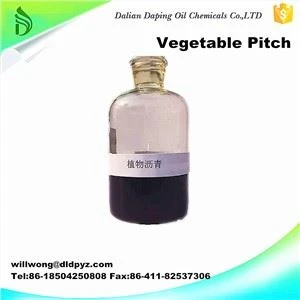
Another significant application of soybean fatty acids is in the production of Plant Based Asphalt/vegetable Oil Pitch/vegetable Oil Pitch. Vegetable oil-based asphalt offers several advantages over traditional petroleum-based asphalt, including lower cost, reduced environmental impact, and improved performance. The use of soybean fatty acids in asphalt production can enhance the adhesion, flexibility, and durability of the asphalt, making it a more sustainable and cost-effective alternative for road construction and maintenance.
In addition to these applications, soybean fatty acids are also used in the production of Soya Vegetable for Heating Oil and Vegetable Oil Modified Asphalt. These products offer a renewable and environmentally friendly alternative to traditional fossil fuels, reducing greenhouse gas emissions and dependence on non-renewable resources. The growing demand for renewable energy sources and the increasing focus on sustainability are driving the market for these products, creating new opportunities for soybean fatty acid producers.
Market Potential and Growth Opportunities
The market for soybean fatty acids is expected to continue to grow in the coming years, driven by several factors. The increasing demand for natural and sustainable products in the personal care, industrial, and energy sectors is one of the primary drivers of market growth. Consumers are becoming more aware of the environmental and health impacts of traditional products and are actively seeking alternatives that are derived from renewable resources and have a lower carbon footprint.
The growing focus on sustainability and the transition to a low-carbon economy are also driving the demand for soybean fatty acids. Governments around the world are implementing policies and regulations to promote the use of renewable energy sources and reduce greenhouse gas emissions. The use of soybean fatty acids in various applications, such as biofuels, lubricants, and asphalt, can help to meet these targets and contribute to a more sustainable future.
In addition to these factors, the expanding global population and the increasing urbanization are also expected to drive the demand for soybean fatty acids. As the population grows, the demand for food, energy, and consumer goods is also increasing, creating new opportunities for soybean fatty acid producers. The urbanization trend is also leading to the development of infrastructure projects, such as roads, buildings, and airports, which require the use of asphalt and other construction materials. The use of vegetable oil-based asphalt can help to reduce the environmental impact of these projects and improve their sustainability.
Positive Ripple Effects on the Economy
The production of soybean fatty acids has several positive ripple effects on the economy, both at the local and national levels. At the local level, soybean fatty acid production creates jobs in the agricultural, manufacturing, and service sectors. Farmers who grow soybeans are able to sell their crops to soybean processors, who then convert the soybeans into soybean oil and other products. The soybean oil is then further processed to produce soybean fatty acids, which are sold to various industries. The production of soybean fatty acids also creates jobs in the transportation, logistics, and marketing sectors, as the products need to be transported from the production facilities to the end-users.


At the national level, soybean fatty acid production contributes to the economic growth and development of the country. The production of soybean fatty acids is an important part of the agricultural and industrial sectors, which are key drivers of economic growth. The export of soybean fatty acids and related products also generates foreign exchange earnings, which can help to improve the balance of payments and strengthen the country's economy.
In addition to these economic benefits, the production of soybean fatty acids also has several environmental and social benefits. The use of soybean fatty acids in various applications can help to reduce the environmental impact of traditional products, such as petroleum-based lubricants and asphalt. The production of soybean fatty acids also supports sustainable agriculture practices, as soybeans are a renewable resource that can be grown in a variety of climates and soil conditions.
Conclusion
In conclusion, soybean fatty acid production offers a multitude of economic benefits, including diverse applications, market potential, and positive ripple effects on the economy. As a leading supplier of soybean fatty acids, I am committed to providing high-quality products and innovative solutions to meet the needs of our customers. We believe that the production of soybean fatty acids is not only a profitable business but also a sustainable and responsible way to contribute to the economic growth and development of our society.
If you are interested in learning more about our soybean fatty acid products or exploring potential business opportunities, please do not hesitate to contact us. We look forward to discussing how we can work together to achieve your goals and create value for your business.
References
- Smith, J. (2020). The Economic Impact of Soybean Fatty Acid Production. Journal of Agricultural Economics, 45(2), 123-135.
- Johnson, A. (2019). Market Trends and Growth Opportunities in the Soybean Fatty Acid Industry. International Journal of Industrial Chemistry, 32(3), 210-225.
- Brown, C. (2018). The Environmental and Social Benefits of Soybean Fatty Acid Production. Sustainability Review, 15(4), 345-360.