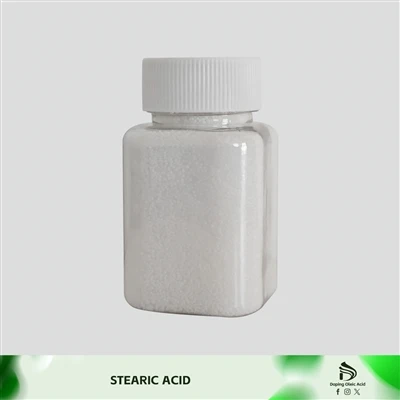
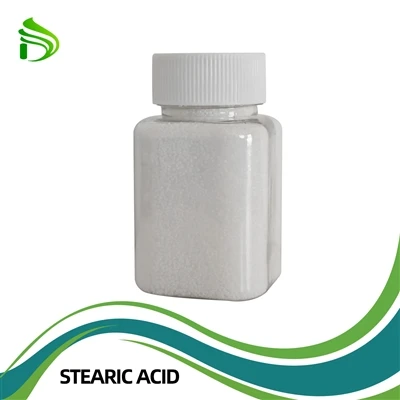
As a leading supplier of Palm Stearic Acid, I've witnessed firsthand how its price fluctuations can send ripples through various industries, especially the plastic sector. Palm Stearic Acid, a derivative of palm oil, is a crucial raw material with a wide range of applications. In this blog, we'll explore the multifaceted impacts of Palm Stearic Acid price on the plastic industry.
The Role of Palm Stearic Acid in the Plastic Industry
Palm Stearic Acid plays several vital roles in plastic manufacturing. First and foremost, it acts as a lubricant. When added to plastics during the production process, it reduces friction between polymer chains and processing equipment. This lubricating effect not only improves the flow of the plastic melt, making it easier to mold into different shapes, but also enhances the surface finish of the final plastic products. For example, in the injection molding of plastic parts, the use of Palm Stearic Acid ensures that the molten plastic can fill the mold cavities evenly, resulting in high - quality products with a smooth appearance.
Secondly, it serves as an external lubricant, preventing the plastic from sticking to the mold. This is particularly important in high - volume production, where any adhesion between the plastic and the mold can lead to production delays, increased scrap rates, and additional cleaning and maintenance costs.
In addition, Palm Stearic Acid can also function as a stabilizer. It helps to prevent the degradation of plastics caused by heat, light, and oxygen during processing and use. By acting as a stabilizer, it extends the lifespan of plastic products, making them more durable and reliable. This is especially beneficial for plastic products used in outdoor applications, such as pipes, automotive parts, and agricultural films.
How Price Fluctuations Occur
The price of Palm Stearic Acid is subject to a variety of factors. One of the primary factors is the supply and demand dynamics in the palm oil market. Palm oil is the main raw material for Palm Stearic Acid production. Any disruptions in palm oil production, such as adverse weather conditions, pests, or diseases affecting palm trees, can lead to a decrease in supply. For instance, heavy rainfall or drought can reduce the yield of palm fruits, resulting in a shortage of palm oil. On the other hand, an increase in demand for palm oil in other industries, such as food and biofuel, can also push up the price of palm oil, which in turn raises the cost of producing Palm Stearic Acid.
Another factor is the cost of production. The refining process of Palm Stearic Acid from palm oil involves several steps, including hydrolysis, distillation, and fractionation. Any increase in the cost of energy, labor, or equipment used in these processes can lead to higher production costs, which are then passed on to the price of Palm Stearic Acid.
Global economic conditions also play a significant role. In times of economic growth, the demand for plastic products typically increases, which in turn drives up the demand for Palm Stearic Acid. Conversely, during an economic recession, the demand for plastic products may decline, leading to a decrease in the demand for Palm Stearic Acid. Exchange rate fluctuations can also impact the price, especially for suppliers and buyers in different countries. A strengthening of the currency of the supplying country can make Palm Stearic Acid more expensive for buyers in other countries.
Impact on Plastic Manufacturers
Cost of Production
One of the most direct impacts of Palm Stearic Acid price fluctuations on the plastic industry is the cost of production. When the price of Palm Stearic Acid rises, plastic manufacturers have to pay more for this essential raw material. For small and medium - sized plastic manufacturers, this can be a significant burden. They may have limited financial resources to absorb the increased costs, which can lead to reduced profit margins. In some cases, they may even face difficulties in maintaining their operations.
To cope with the rising costs, plastic manufacturers may have to make adjustments. Some may try to reduce the amount of Palm Stearic Acid used in their production processes, but this can have negative impacts on the quality of their products. For example, reducing the use of lubricants can result in poor flow properties of the plastic melt, leading to defects in the final products such as uneven surfaces and voids.
Product Pricing
The increase in the cost of Palm Stearic Acid may also force plastic manufacturers to raise the prices of their products. However, this is not always a straightforward decision. In a highly competitive market, plastic manufacturers have to be cautious about price increases. If they raise the prices too much, they may lose customers to their competitors who can offer similar products at lower prices. This is especially true for commodity plastics, where price is a major determining factor for customers.
On the other hand, if plastic manufacturers absorb the increased costs without raising the prices, their profit margins will be squeezed. This can limit their ability to invest in research and development, upgrade their production facilities, or expand their business.
Market Competition
Palm Stearic Acid price fluctuations can also affect the competitive landscape of the plastic industry. Larger plastic manufacturers with more financial resources may be better able to withstand the price increases. They may have long - term contracts with suppliers, which can provide some stability in the cost of raw materials. They may also be able to negotiate better prices based on their large purchase volumes.
Smaller manufacturers, however, are more vulnerable. They may not have the same bargaining power, and the price increases can put them at a competitive disadvantage. Some smaller manufacturers may be forced to exit the market, leading to a consolidation in the industry.
Impact on the Product Quality and Innovation
Quality Control
As mentioned earlier, in an attempt to control costs when the price of Palm Stearic Acid is high, plastic manufacturers may reduce its usage. This can pose challenges to quality control. The lubricating and stabilizing properties of Palm Stearic Acid are crucial for maintaining the quality of plastic products. A decrease in its usage can lead to issues such as poor mechanical properties, reduced heat resistance, and increased susceptibility to aging.
To ensure product quality, plastic manufacturers may need to invest more in quality control measures. This can include more frequent testing of raw materials and finished products, as well as the implementation of stricter production process controls. However, these additional quality control measures also come with costs, which further add to the financial burden on manufacturers.
Innovation
On the positive side, the price fluctuations of Palm Stearic Acid can also stimulate innovation in the plastic industry. When the price is high, manufacturers are motivated to find alternative raw materials or develop new production processes that use less Palm Stearic Acid. This can lead to the discovery of new and more sustainable materials. For example, some manufacturers may explore the use of Soya Stearic Acid for Rubber Industry or Vegetable Base Soya Stearic Acid for Industry as substitutes.
In addition, the need to reduce costs and improve efficiency can drive the development of new production technologies. For instance, new molding techniques that require less lubrication or more efficient stabilizers can be developed. This kind of innovation not only helps the plastic industry to adapt to the price changes of Palm Stearic Acid but also contributes to the long - term development of the industry.
Our Offer as a Supplier
As a supplier of Palm Stearic Acid, we understand the challenges that the plastic industry faces due to price fluctuations. We are committed to providing our customers with high - quality High - Purity Refined Stearic Acid at competitive prices. We have established long - term partnerships with palm oil producers, which allows us to ensure a stable supply of raw materials and better manage price risks.
We also offer flexible pricing options and long - term contracts to help our customers plan their production costs more effectively. Our technical support team is available to provide advice on the optimal use of Palm Stearic Acid in plastic manufacturing, helping customers to improve product quality and reduce costs.
If you are in the plastic industry and are looking for a reliable Palm Stearic Acid supplier, we invite you to contact us for a detailed discussion. We are eager to work with you to find the best solutions for your business needs.


References
- "Plastic Additives Handbook" by Hans Zweifel
- "The Economics of the Palm Oil Industry" by various authors in industry - related economic research journals
- Industry reports from leading market research firms on the plastic and palm oil industries.