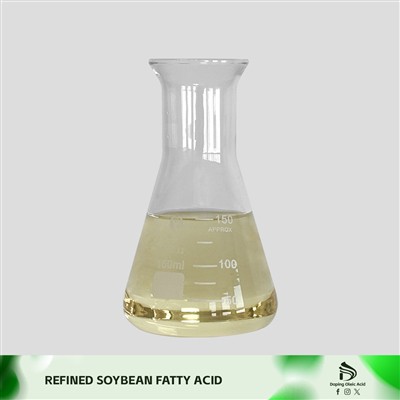
Stearic acid is a widely used fatty acid with a multitude of applications across various industries, including cosmetics, plastics, rubber, and food. As a low-price stearic acid supplier, we often receive inquiries about the shelf life of our product. Understanding the shelf life of stearic acid is crucial for both suppliers and customers to ensure product quality and performance. In this blog post, we will delve into the factors that influence the shelf life of low-price stearic acid and provide some practical tips on its storage and handling.
What is Stearic Acid?
Stearic acid, also known as octadecanoic acid, is a saturated fatty acid with the chemical formula C₁₈H₃₆O₂. It is a waxy solid that is insoluble in water but soluble in organic solvents. Stearic acid is naturally found in various animal and vegetable fats and oils, such as beef tallow, cocoa butter, and palm oil. It is commonly used as an emulsifier, lubricant, and thickening agent in a wide range of products.
Factors Affecting the Shelf Life of Stearic Acid
The shelf life of stearic acid can be influenced by several factors, including:
1. Purity
The purity of stearic acid plays a significant role in determining its shelf life. Higher purity stearic acid generally has a longer shelf life as it contains fewer impurities that can cause degradation over time. Impurities such as free fatty acids, peroxides, and moisture can accelerate the oxidation and hydrolysis of stearic acid, leading to a shorter shelf life.
2. Storage Conditions
The storage conditions of stearic acid are crucial for maintaining its quality and extending its shelf life. Stearic acid should be stored in a cool, dry, and well-ventilated area away from direct sunlight, heat sources, and moisture. Exposure to high temperatures and humidity can cause stearic acid to melt, oxidize, and develop an unpleasant odor. Additionally, stearic acid should be stored in airtight containers to prevent contamination and oxidation.
3. Packaging
The type of packaging used for stearic acid can also affect its shelf life. Stearic acid is typically packaged in plastic bags, drums, or cartons. The packaging should be made of materials that are resistant to moisture, oxygen, and light. For example, polyethylene bags are commonly used for packaging stearic acid as they provide good protection against moisture and oxygen. Additionally, the packaging should be sealed tightly to prevent the entry of air and moisture.
4. Oxidation
Oxidation is one of the main factors that can cause the degradation of stearic acid over time. Stearic acid can react with oxygen in the air to form peroxides and other oxidation products, which can lead to a change in color, odor, and physical properties. To prevent oxidation, stearic acid can be treated with antioxidants such as butylated hydroxytoluene (BHT) or tocopherols.
5. Hydrolysis
Hydrolysis is another process that can affect the shelf life of stearic acid. Stearic acid can react with water to form free fatty acids and glycerol, which can cause a decrease in the purity and quality of the product. Hydrolysis can be accelerated by high temperatures, moisture, and the presence of acids or bases. To prevent hydrolysis, stearic acid should be stored in a dry environment and protected from contact with water.
Shelf Life of Low-Price Stearic Acid
The shelf life of low-price stearic acid can vary depending on the factors mentioned above. In general, stearic acid has a relatively long shelf life if it is stored properly. Under ideal storage conditions (cool, dry, and away from light), stearic acid can have a shelf life of up to two years. However, it is important to note that the shelf life of stearic acid can be significantly reduced if it is exposed to unfavorable conditions.
As a low-price stearic acid supplier, we take great care to ensure the quality and stability of our product. We source our stearic acid from reliable manufacturers and conduct strict quality control checks to ensure that it meets the highest standards. Our stearic acid is packaged in high-quality materials and stored in a controlled environment to extend its shelf life.
Storage and Handling Tips
To maximize the shelf life of low-price stearic acid, we recommend the following storage and handling tips:
1. Store in a Cool, Dry Place
Stearic acid should be stored in a cool, dry place away from direct sunlight, heat sources, and moisture. The ideal storage temperature for stearic acid is between 20°C and 30°C. Avoid storing stearic acid in areas where the temperature can fluctuate significantly, such as near windows or heating vents.
2. Use Airtight Containers
Stearic acid should be stored in airtight containers to prevent contamination and oxidation. Plastic bags, drums, or cartons can be used for packaging stearic acid, but they should be sealed tightly to prevent the entry of air and moisture.
3. Avoid Contact with Water
Stearic acid is insoluble in water, but it can react with water to form free fatty acids and glycerol. To prevent hydrolysis, stearic acid should be stored in a dry environment and protected from contact with water. If stearic acid comes into contact with water, it should be dried immediately to prevent further degradation.

4. Handle with Care
Stearic acid is a relatively stable compound, but it can be easily damaged if it is handled roughly. When handling stearic acid, it is important to use appropriate protective equipment, such as gloves and goggles, to prevent skin and eye irritation. Additionally, stearic acid should be treated gently to avoid creating dust or powder, which can be a respiratory hazard.
Applications of Low-Price Stearic Acid
Low-price stearic acid has a wide range of applications in various industries, including:
1. Cosmetics and Personal Care
Stearic acid is commonly used as an emulsifier, thickening agent, and lubricant in cosmetics and personal care products. It can help to stabilize emulsions, improve the texture and consistency of products, and prevent the separation of oil and water phases. Stearic acid is used in a variety of products, such as creams, lotions, soaps, and shampoos.
2. Plastics and Rubber
Stearic acid is used as a lubricant and release agent in the plastics and rubber industries. It can help to reduce friction between the plastic or rubber and the mold, making it easier to remove the product from the mold. Stearic acid is also used as a processing aid to improve the flow properties of plastics and rubber. For more information about stearic acid for the plastic industry, you can visit Soya Stearic Acid for Plastic Industry.
3. Food Industry
Stearic acid is used as a food additive in the food industry. It can be used as an emulsifier, stabilizer, and lubricant in a variety of food products, such as margarine, chocolate, and baked goods. Stearic acid is generally recognized as safe (GRAS) by the U.S. Food and Drug Administration (FDA) and is widely used in the food industry.
4. Rubber Industry
In the rubber industry, Rubber Grade Triple Press Distilled Stearic Acid is used as an activator, lubricant, and softener. It can help to improve the processability of rubber compounds, reduce the viscosity of the rubber, and enhance the physical properties of the final product.
Conclusion
In conclusion, the shelf life of low-price stearic acid can be influenced by several factors, including purity, storage conditions, packaging, oxidation, and hydrolysis. By understanding these factors and following the recommended storage and handling tips, you can maximize the shelf life of stearic acid and ensure its quality and performance. As a low-price stearic acid supplier, we are committed to providing our customers with high-quality products and excellent customer service. If you are interested in purchasing stearic acid or have any questions about its shelf life or applications, please feel free to contact us for more information. We also invite you to explore our Stearic Acid Base Soya Professional Manufacture Suppllier Factory Related Palm Sunflower Coconut Rapeseed Rice for a wide range of stearic acid products.
References
- "Stearic Acid: Properties, Uses, and Production." Encyclopedia of Chemical Technology.
- "Food Additives: Stearic Acid." U.S. Food and Drug Administration.
- "Stearic Acid in Cosmetics and Personal Care Products." Cosmetics & Toiletries Magazine.