In the dynamic landscape of the international chemical market, palm stearic acid stands as a crucial commodity with a wide range of industrial applications. As a leading supplier of palm stearic acid, I am often asked about its price in the international market. In this blog post, I will delve into the factors that influence the price of palm stearic acid, provide an overview of the current market trends, and offer insights into how businesses can navigate this volatile market.
Factors Influencing the Price of Palm Stearic Acid
The price of palm stearic acid is subject to a multitude of factors, both global and local. Understanding these factors is essential for businesses to make informed decisions regarding their purchasing strategies. Here are some of the key factors that influence the price of palm stearic acid:
1. Raw Material Costs
Palm stearic acid is derived from palm oil, which is the primary raw material in its production. The price of palm oil is highly volatile and is influenced by factors such as weather conditions, supply and demand dynamics, and government policies. For instance, adverse weather conditions such as droughts or floods can reduce palm oil yields, leading to a decrease in supply and an increase in prices. Similarly, changes in government policies, such as export taxes or subsidies, can also have a significant impact on the price of palm oil.
2. Production Costs
The production of palm stearic acid involves several processes, including refining, fractionation, and purification. The cost of these processes can vary depending on factors such as energy prices, labor costs, and equipment maintenance. For example, an increase in energy prices can lead to higher production costs, which can be passed on to consumers in the form of higher prices for palm stearic acid.
3. Market Demand
The demand for palm stearic acid is driven by its wide range of applications in various industries, including cosmetics, pharmaceuticals, plastics, and rubber. The growth of these industries can have a significant impact on the demand for palm stearic acid. For instance, the increasing demand for natural and sustainable cosmetics has led to a growing demand for palm stearic acid, as it is a natural and biodegradable ingredient.
4. Competition
The palm stearic acid market is highly competitive, with numerous suppliers offering similar products. The level of competition can influence the price of palm stearic acid, as suppliers may engage in price wars to gain market share. Additionally, the entry of new suppliers or the expansion of existing suppliers can also increase competition and put downward pressure on prices.
5. Currency Exchange Rates
The price of palm stearic acid is often quoted in US dollars, which means that currency exchange rates can have a significant impact on its price in different countries. For example, if the value of the US dollar strengthens against other currencies, the price of palm stearic acid will increase for buyers in countries with weaker currencies.
Current Market Trends
The global palm stearic acid market has witnessed significant growth in recent years, driven by the increasing demand from various industries. According to a report by MarketsandMarkets, the global palm stearic acid market size is expected to reach USD 2.2 billion by 2026, growing at a CAGR of 4.5% from 2021 to 2026.
One of the key trends in the palm stearic acid market is the growing demand for natural and sustainable products. Consumers are becoming more aware of the environmental and social impact of their purchases and are increasingly looking for products that are made from natural and renewable resources. This has led to a growing demand for palm stearic acid, as it is a natural and biodegradable ingredient that can be used in a wide range of applications.
Another trend in the palm stearic acid market is the increasing use of palm stearic acid in the rubber industry. Palm stearic acid is used as a processing aid in the rubber industry, as it helps to improve the processing properties of rubber compounds and enhance the performance of rubber products. The growing demand for rubber products, such as tires, conveyor belts, and hoses, is expected to drive the demand for palm stearic acid in the rubber industry.
Navigating the Volatile Market
Given the volatility of the palm stearic acid market, businesses need to adopt a strategic approach to manage their purchasing costs and ensure a stable supply of palm stearic acid. Here are some tips for businesses to navigate the volatile market:
1. Stay Informed
It is essential for businesses to stay informed about the latest market trends, price movements, and supply and demand dynamics. This can be done by monitoring industry news, attending trade shows and conferences, and networking with suppliers and other industry players.
2. Build Strong Relationships with Suppliers
Building strong relationships with suppliers is crucial for businesses to ensure a stable supply of palm stearic acid at a competitive price. By working closely with suppliers, businesses can negotiate favorable terms and conditions, such as long-term contracts, volume discounts, and flexible delivery schedules.
3. Diversify Your Supply Sources
Diversifying your supply sources can help to reduce the risk of supply disruptions and ensure a stable supply of palm stearic acid. By sourcing from multiple suppliers, businesses can spread their risk and take advantage of different pricing and delivery options.
4. Hedge Against Price Fluctuations
Hedging against price fluctuations can help businesses to manage their purchasing costs and reduce the impact of price volatility. This can be done by using financial instruments such as futures contracts, options, and swaps.

Our Offerings
As a leading supplier of palm stearic acid, we offer a wide range of high-quality products to meet the diverse needs of our customers. Our products are sourced from reliable suppliers and are subject to strict quality control measures to ensure their purity and consistency.
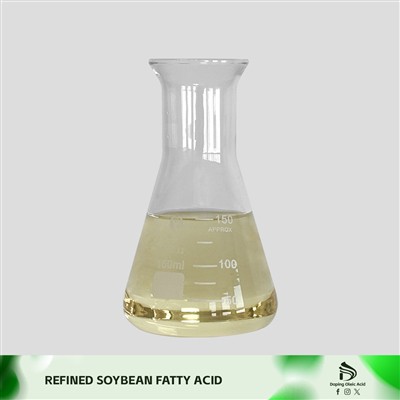
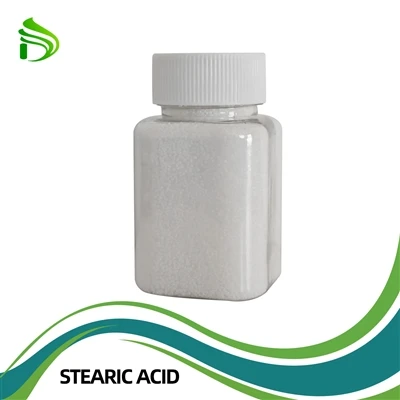
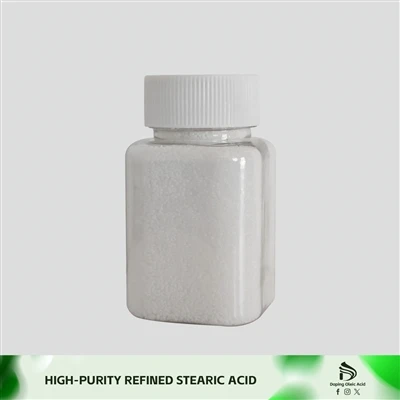
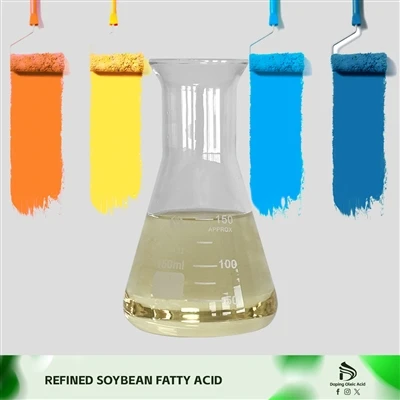
We offer Vegetable Base Soya Stearic Acid for Industry, which is a natural and sustainable alternative to traditional stearic acid. Our Soya Stearic Acid in High Quality is suitable for a wide range of applications, including cosmetics, pharmaceuticals, plastics, and rubber. Additionally, we also offer Soya Stearic Acid for Rubber Industry, which is specifically formulated to meet the unique requirements of the rubber industry.
Contact Us for Procurement and Negotiation
If you are interested in purchasing palm stearic acid or would like to discuss your specific requirements, please do not hesitate to contact us. Our team of experienced sales professionals will be happy to assist you and provide you with a competitive quote. We look forward to the opportunity to work with you and build a long-term partnership.
References
- MarketsandMarkets. "Palm Stearic Acid Market by Application (Cosmetics & Personal Care, Rubber, Plastics, Others), and Region - Global Forecast to 2026." Accessed [Date].
- Industry reports and publications on palm stearic acid and related industries.