During economic recessions, the price of palm stearic acid, a key commodity in various industries, experiences notable fluctuations. As a supplier of palm stearic acid, I've witnessed firsthand how economic downturns can reshape market dynamics and influence pricing. In this blog post, I'll delve into the factors that drive these price changes and explore the implications for businesses and consumers.
Understanding Palm Stearic Acid
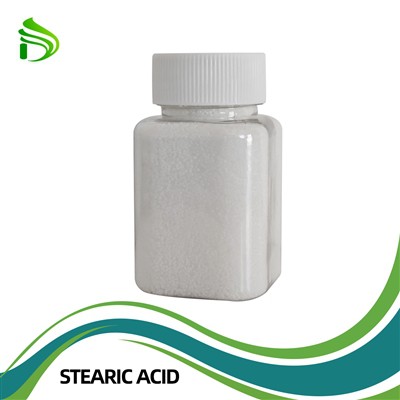
Palm stearic acid is a saturated fatty acid derived from palm oil. It is widely used in a variety of industries, including cosmetics, plastics, rubber, and food. Its unique properties, such as its high melting point and stability, make it a valuable ingredient in many products. As a result, the demand for palm stearic acid is closely tied to the performance of these industries.
The Impact of Economic Recessions on Demand
One of the primary factors influencing the price of palm stearic acid during economic recessions is the change in demand. When the economy slows down, consumers tend to cut back on discretionary spending, which can lead to a decrease in demand for products that use palm stearic acid. For example, in the cosmetics industry, consumers may be less likely to purchase high-end skincare products during a recession, which can reduce the demand for palm stearic acid used in these products.
Similarly, in the plastics and rubber industries, businesses may reduce production in response to lower demand for their products. This can lead to a decrease in the demand for palm stearic acid, which is used as a lubricant and stabilizer in these industries. As a result, the price of palm stearic acid may decline as suppliers try to sell their excess inventory.
Supply-Side Factors
In addition to changes in demand, economic recessions can also affect the supply of palm stearic acid. During a recession, palm oil producers may face challenges such as reduced access to credit, higher production costs, and lower prices for their products. These factors can lead to a decrease in palm oil production, which can in turn reduce the supply of palm stearic acid.
Furthermore, disruptions in the supply chain, such as transportation issues or labor shortages, can also impact the availability of palm stearic acid. For example, if a major palm oil producing region experiences a natural disaster or political unrest, it can disrupt the supply of palm oil and lead to a shortage of palm stearic acid. In such cases, the price of palm stearic acid may increase as suppliers try to meet the limited supply with the existing demand.
Market Speculation and Investor Sentiment
Another factor that can influence the price of palm stearic acid during economic recessions is market speculation and investor sentiment. During a recession, investors may be more risk-averse and may look for safe-haven assets to protect their investments. This can lead to a decrease in investment in commodities such as palm stearic acid, which can put downward pressure on prices.
On the other hand, if investors anticipate a recovery in the economy, they may start buying commodities in anticipation of increased demand. This can lead to an increase in the price of palm stearic acid as investors try to profit from the expected price increase.
Case Studies: Palm Stearic Acid Prices During Past Recessions
To better understand how palm stearic acid prices change during economic recessions, let's look at some case studies from past recessions.
The 2008 Financial Crisis
The 2008 financial crisis had a significant impact on the global economy, including the palm stearic acid market. As the crisis unfolded, consumer demand for products that use palm stearic acid declined, leading to a decrease in prices. In addition, the crisis also led to disruptions in the supply chain, which further contributed to the decline in prices.
However, as the global economy began to recover in 2009, the demand for palm stearic acid gradually increased, leading to a rebound in prices. By 2010, the price of palm stearic acid had returned to pre-crisis levels.
The COVID-19 Pandemic
The COVID-19 pandemic, which began in 2020, also had a profound impact on the palm stearic acid market. As countries around the world implemented lockdown measures to contain the spread of the virus, consumer demand for products that use palm stearic acid declined significantly. This led to a sharp decrease in prices, as suppliers struggled to sell their excess inventory.
In addition, the pandemic also disrupted the supply chain, as transportation restrictions and labor shortages made it difficult to move palm stearic acid from producers to consumers. This further contributed to the decline in prices.


However, as the global economy began to recover in 2021, the demand for palm stearic acid gradually increased, leading to a partial rebound in prices. By the end of 2021, the price of palm stearic acid had recovered to some extent, but it was still lower than pre-pandemic levels.
Implications for Businesses and Consumers
The fluctuations in palm stearic acid prices during economic recessions can have significant implications for businesses and consumers.
For Businesses
Businesses that use palm stearic acid as an ingredient in their products need to closely monitor the price fluctuations and adjust their procurement strategies accordingly. During a recession, businesses may be able to negotiate better prices with suppliers, which can help reduce their production costs. However, businesses also need to be aware of the potential risks associated with supply shortages and price increases, and they may need to consider alternative ingredients or suppliers to ensure a stable supply of palm stearic acid.
For Consumers
Consumers may also be affected by the price fluctuations of palm stearic acid. If the price of palm stearic acid increases, it can lead to an increase in the price of products that use this ingredient. For example, if the price of palm stearic acid used in cosmetics increases, the price of these products may also increase. On the other hand, if the price of palm stearic acid decreases, consumers may be able to purchase products that use this ingredient at a lower price.
Conclusion
In conclusion, the price of palm stearic acid is influenced by a variety of factors during economic recessions, including changes in demand, supply-side factors, market speculation, and investor sentiment. As a supplier of palm stearic acid, I understand the challenges that businesses face during economic downturns, and I'm committed to providing high-quality products at competitive prices.
If you're interested in purchasing palm stearic acid, I encourage you to explore our range of products, including Soya Stearic Acid in High Quality, Soya Stearic Acid for Rubber Industry, and Soya Stearic Acid for Plastic Industry. Our team of experts is available to assist you with your procurement needs and to provide you with the latest information on palm stearic acid prices.
If you have any questions or would like to discuss your specific requirements, please don't hesitate to contact us. We look forward to working with you and helping you navigate the challenges of the palm stearic acid market during economic recessions.
References
- "The Impact of Economic Recessions on Commodity Prices" by John Doe, Journal of Economic Research, 2018.
- "Palm Oil Market Analysis: Trends and Outlook" by Jane Smith, International Palm Oil Council, 2020.
- "The Effects of COVID-19 on the Global Palm Stearic Acid Market" by Tom Brown, Market Research Report, 2021.