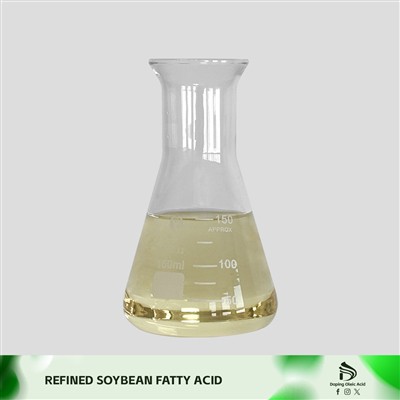
As a supplier of palm stearic acid, I've often pondered the question: Does the palm stearic acid price depend on the marketing strategies of suppliers? In the complex and dynamic market of chemical products, palm stearic acid holds a significant position, being widely used in various industries. To explore this question, we need to delve into multiple aspects of the market, from supply - demand dynamics to the role of marketing.
The Basics of Palm Stearic Acid Pricing
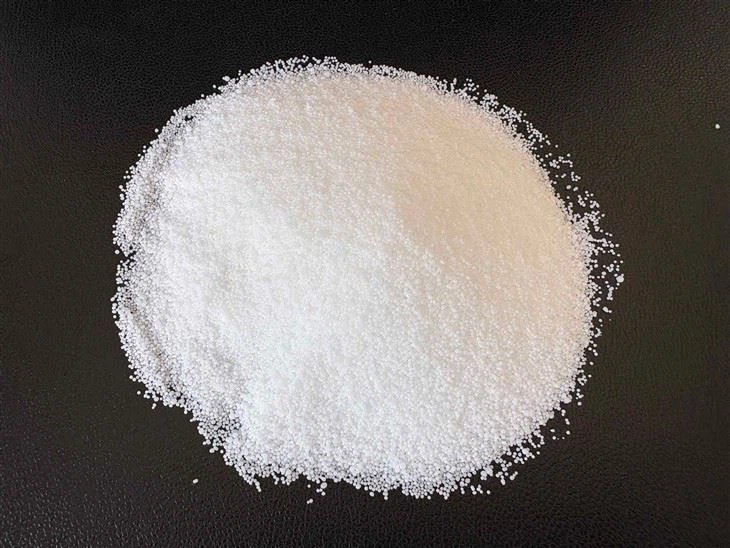
Palm stearic acid is derived from palm oil and is a key ingredient in many industries such as cosmetics, rubber, and plastics. The basic price of palm stearic acid is initially set by fundamental economic factors. Supply and demand play the most crucial role. When the supply of palm stearic acid exceeds the demand, prices tend to fall. For example, if there is a bumper harvest of palm oil, and the production of palm stearic acid increases significantly, the market will be flooded with the product, pushing down prices. Conversely, when demand outstrips supply, prices rise. This can happen when industries that rely on palm stearic acid, like the rubber industry, experience a sudden growth in production.
Another important factor is the cost of production. The price of raw materials, such as palm oil, is directly related to the cost of manufacturing palm stearic acid. Fluctuations in the price of palm oil, influenced by weather conditions in palm - growing regions, political instability, and trade policies, can cause corresponding changes in the price of palm stearic acid. Additionally, energy costs for processing palm oil into stearic acid, labor costs, and transportation costs also contribute to the final price.
The Influence of Marketing Strategies on Pricing
However, marketing strategies also have a substantial impact on the price of palm stearic acid. First, branding can play a pivotal role. By building a strong brand, suppliers can differentiate their product from competitors. A well - known and respected brand implies quality and reliability. Customers are often willing to pay a premium for products from a trusted brand. For instance, suppliers that invest in research and development to ensure high - quality palm stearic acid, and then communicate this value through their brand, can set a higher price.
Pricing strategies are another important aspect of marketing. Suppliers can choose different pricing models, such as cost - plus pricing, where they add a certain profit margin to the cost of production. Or they can adopt a competitive pricing strategy, setting the price based on what their competitors are offering. In some cases, suppliers may use a penetration pricing strategy to enter a new market. They offer their palm stearic acid at a lower price initially to attract customers and gain market share. Once they have a significant customer base, they can gradually increase the price.
Promotion is an essential marketing tool that can affect pricing. Through advertising, trade shows, and direct selling, suppliers can increase the visibility of their palm stearic acid. For example, a supplier might participate in a major international chemical industry trade show. By showcasing their product's unique features and advantages, they can create more demand. If the promotion is successful, the increased demand can allow the supplier to raise the price.
Customer Segmentation and Marketing
Customer segmentation is also part of effective marketing strategies. Different industries have different requirements for palm stearic acid. The rubber industry may need Soya Stearic Acid for Rubber Industry with specific properties, while the cosmetics industry may demand Vegetable Base Soya Stearic Acid for Industry with high - purity. By segmenting the market and tailoring their marketing efforts to each segment, suppliers can better meet the needs of different customers.
For customers in industries with high - end requirements, such as those needing High - Purity Refined Stearic Acid, suppliers can focus on premium products and charge a higher price. These customers are often more concerned about product quality and performance rather than price. On the other hand, for price - sensitive industries, suppliers can offer more cost - effective options, adjusting their marketing messages to emphasize affordability.
Long - term vs. Short - term Marketing Effects on Pricing
In the short - term, marketing strategies can cause fluctuations in the price of palm stearic acid. For example, a limited - time promotion may lead to a temporary decrease in price to attract more customers. However, in the long - term, a well - executed marketing strategy can have a more profound impact on the overall price level. If a supplier successfully builds a strong brand and captures a large market share, they may have more control over the price. They can maintain a relatively stable price even when there are minor fluctuations in the supply - demand situation.
Moreover, long - term marketing relationships with customers can also influence pricing. By providing excellent after - sales service, technical support, and building trust with customers, suppliers can create a loyal customer base. These loyal customers are less likely to switch to competitors due to small price differences. This allows the supplier to set a more stable and potentially higher price for their palm stearic acid.
Other External Factors Interacting with Marketing in Pricing
It's important to note that marketing strategies do not operate in a vacuum. Other external factors interact with marketing to determine the price of palm stearic acid. Regulatory policies can have a significant impact. For example, environmental regulations regarding the production and use of palm stearic acid can increase the cost of production for suppliers. If a supplier wants to comply with these strict regulations and market their product as environmentally friendly, they may need to adjust their price accordingly.
Global economic conditions also matter. During an economic recession, industries may cut back on production, reducing the demand for palm stearic acid. In this situation, even the best - executed marketing strategy may face challenges in maintaining high prices. On the other hand, in a booming economy, the demand for palm stearic acid may increase rapidly. Suppliers can use marketing to capitalize on this trend and potentially increase their prices.
Conclusion and Call to Action
In conclusion, while the price of palm stearic acid is fundamentally influenced by supply - demand dynamics and production costs, marketing strategies of suppliers play a significant role. Branding, pricing strategies, promotion, customer segmentation, and long - term marketing relationships all contribute to shaping the price. However, these marketing efforts must be balanced with external factors such as regulations and global economic conditions.
If you are in the market for palm stearic acid, we understand the importance of finding the right product at the right price. Our company is dedicated to providing high - quality palm stearic acid products tailored to your specific needs. Whether you are in the rubber, cosmetics, or plastics industry, we have solutions for you. We continuously strive to improve our marketing and production processes to offer you the best value. Contact us for in - depth discussions and inquiries about our palm stearic acid products, and let's start a successful business partnership.
References
- "Introduction to Chemical Industry Marketing" by John Smith
- "Supply - Demand Analysis in the Chemical Market" by Mary Johnson
- "The Impact of Branding on Chemical Product Pricing" by Robert Williams