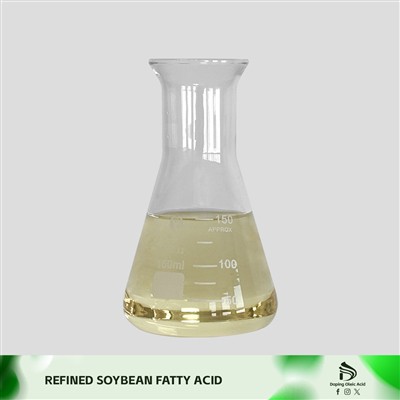
Hey there! As a stearic acid supplier, I often get asked about how stearic acid contributes to the hardness of soaps. Well, let's dive right into it and explore this fascinating topic.
First off, what exactly is stearic acid? Stearic acid is a saturated fatty acid that's commonly found in animal and vegetable fats. It's a white, waxy solid at room temperature and has a whole bunch of uses, including being a key ingredient in soap - making. You can learn more about its application in SBR at Stearic Acid Chemical Ingredient For SBR.
When it comes to soap - making, stearic acid plays a crucial role in determining the physical properties of the soap, especially its hardness. But how does it do that?
Let's start with the basic chemistry of soap - making. Soap is made through a process called saponification, where fats or oils react with an alkali, usually sodium hydroxide (for bar soaps) or potassium hydroxide (for liquid soaps). During this reaction, the fats and oils are broken down into fatty acid salts (which are the soapy part) and glycerol.
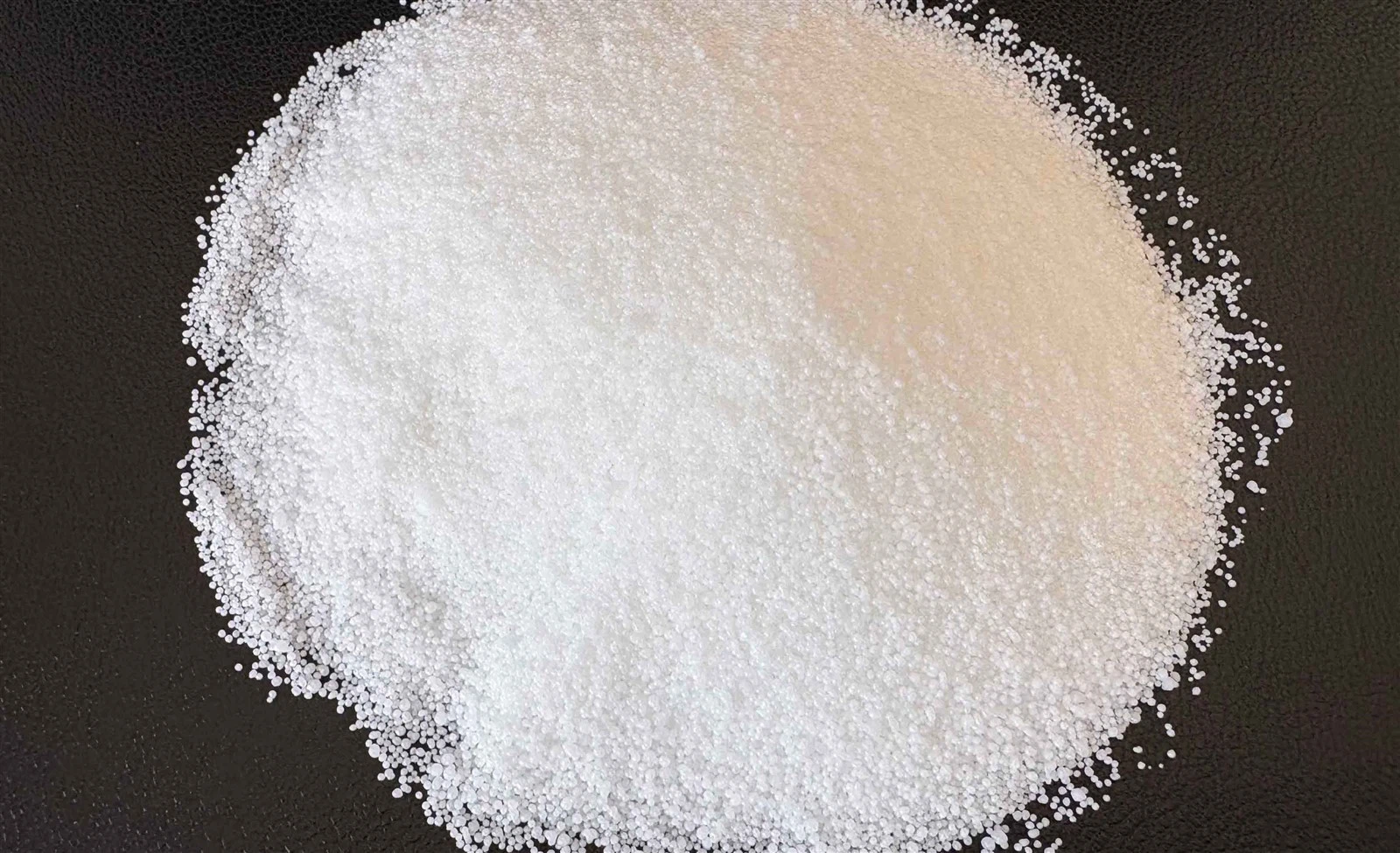
Stearic acid is one of those fatty acids that can be used in this process. When stearic acid reacts with sodium hydroxide, it forms sodium stearate, which is a hard, waxy substance. This sodium stearate is a major component of hard bar soaps.
The long - chain structure of stearic acid is what gives it the ability to contribute to soap hardness. The fatty acid chains in stearic acid are relatively long, with 18 carbon atoms. These long chains have a strong tendency to pack closely together. When the soap is cooling and solidifying after the saponification reaction, the sodium stearate molecules arrange themselves in an orderly fashion. The close - packing of these molecules creates a dense and rigid structure, which results in a harder soap.
Think of it like building a wall. If you have long, straight bricks (like the long - chain stearic acid molecules), you can stack them neatly and tightly, creating a strong and solid wall. On the other hand, if you have short or irregularly shaped bricks, the wall will be less stable and more likely to crumble.
Another reason stearic acid makes soap harder is its melting point. Stearic acid has a relatively high melting point (around 69 - 71°C). When it's incorporated into the soap, it raises the overall melting point of the soap. This means that the soap will remain solid at normal room temperatures and will be less likely to soften or melt easily.
Let's talk about the different forms of stearic acid available for soap - making. One common form is Stearic Acid Flakes. These flakes are easy to handle and dissolve in the soap - making process. They can be added directly to the fats or oils before the saponification reaction. They quickly melt and mix evenly with the other ingredients, ensuring a consistent distribution of stearic acid throughout the soap.
The quality and purity of stearic acid also matter when it comes to soap hardness. High - quality stearic acid, like the rubber - grade triple - pressed stearic acid, which you can learn about the price at Rubber Grade Triple Pressed Stearic Acid Price, will have fewer impurities. Impurities can disrupt the orderly packing of the stearic acid molecules, leading to a softer soap. So, using a pure form of stearic acid is essential for achieving the desired hardness in your soap.
Now, let's look at how the amount of stearic acid used affects soap hardness. If you add too little stearic acid to your soap recipe, the soap will be softer and may not hold its shape well. It could become mushy or dissolve too quickly in water. On the other hand, if you add too much stearic acid, the soap may become overly hard and brittle. It might also be more difficult to lather, as the tight structure of the soap can prevent the formation of a rich, creamy lather.
So, finding the right balance is key. Most soap - makers recommend using around 5 - 20% stearic acid in their soap recipes. This range allows for a good balance between hardness, lather, and other properties like moisturizing ability.
In addition to hardness, stearic acid also has other benefits for soaps. It can act as an emollient, which means it helps to soften and smooth the skin. It forms a protective barrier on the skin, preventing moisture loss and leaving the skin feeling soft and hydrated. It also gives the soap a nice, smooth texture and a glossy appearance.
When you're making soap, it's important to handle stearic acid properly. It's a chemical, after all. Make sure to wear appropriate protective gear, like gloves and goggles, when working with it. And follow all the safety instructions carefully during the saponification process.
If you're a soap - maker or in the business of producing soaps, you know how important it is to have a reliable source of high - quality stearic acid. That's where we come in as a stearic acid supplier. We offer a wide range of stearic acid products, from flakes to different grades, to meet your specific needs.
Whether you're looking to make a hard, long - lasting bar soap for the mass market or a small - batch, artisanal soap with unique properties, our stearic acid can help you achieve the perfect hardness and quality.
If you're interested in learning more about our stearic acid products or have any questions about how it can be used in your soap - making process, don't hesitate to reach out. We're here to assist you with your procurement needs and help you create the best - quality soaps possible.
References
- "Soap and Detergent Chemistry" by Harald H. Hoppe. This book provides in - depth knowledge about the chemistry behind soap - making, including the role of fatty acids like stearic acid.
- Various research articles on fatty acid properties and their application in soap - making from scientific journals such as the Journal of Surfactants and Detergents. These articles offer up - to - date information on the latest findings in the field.