


Hey there! I'm a supplier for a Stearic Acid factory, and today I wanna chat about the waste treatment process in our factory. Stearic acid is a widely used fatty acid that finds its way into various industries, from cosmetics to rubber manufacturing. But with production comes waste, and it's crucial to handle it properly.
First off, let's understand what kind of waste we're dealing with in a stearic acid factory. The main waste sources include spent catalysts, by - products from the reaction, and some leftover raw materials. These wastes can be harmful to the environment if not treated correctly.
Collection of Waste
The waste treatment process starts with waste collection. In our factory, we have a well - organized system for gathering different types of waste. There are separate containers for solid and liquid waste. Solid waste, like spent catalysts, is collected in large drums. These catalysts are used in the production process to speed up the reaction but become ineffective over time. Liquid waste, which mainly consists of by - products and unreacted raw materials, is stored in tanks.
We make sure that the collection process is as efficient as possible. Our workers are trained to identify different types of waste and put them in the right containers. This helps in the subsequent treatment steps, as different wastes require different treatment methods.
Pretreatment of Waste
Once the waste is collected, it goes through a pretreatment phase. For solid waste, we first crush and grind it to reduce its size. This makes it easier to handle and increases the surface area for further treatment. For example, the spent catalysts are crushed into smaller particles so that they can be more effectively treated to recover any valuable metals.

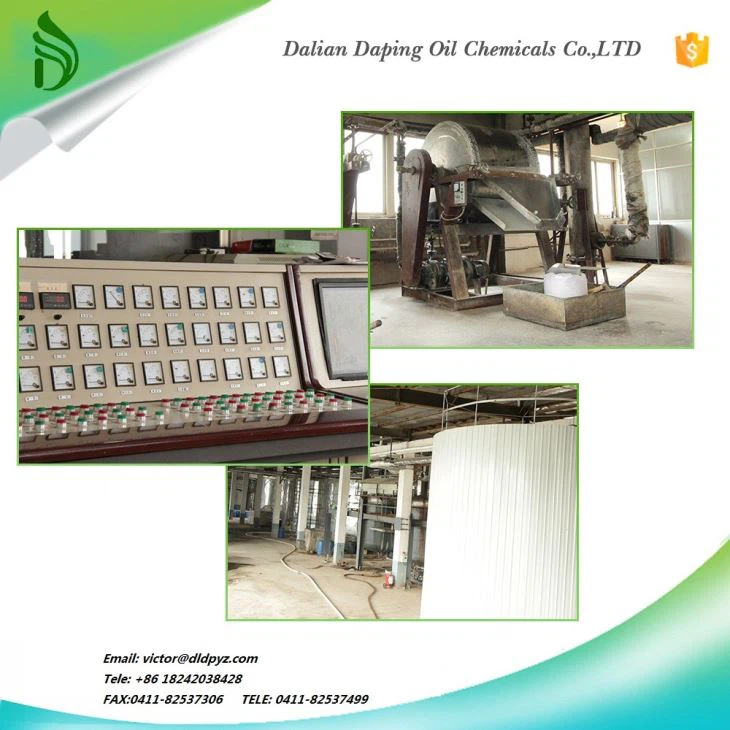
Liquid waste is pretreated by adjusting its pH level. Many of the by - products in the liquid waste are acidic or basic, and by adjusting the pH, we can make the waste more stable and easier to treat. We also use filtration to remove any large particles or impurities from the liquid waste. This step helps in preventing clogging in the subsequent treatment equipment.
Treatment of Solid Waste
There are several methods for treating solid waste from a stearic acid factory. One of the common methods is incineration. Incineration is used for waste that contains organic matter. When the solid waste is burned at high temperatures, the organic matter is converted into carbon dioxide and water. This reduces the volume of the waste significantly. However, incineration needs to be done carefully, as it can release harmful pollutants into the air. That's why we have advanced air pollution control systems in place. These systems remove harmful gases like sulfur dioxide and nitrogen oxides before the exhaust is released into the atmosphere.
Another method for solid waste treatment is chemical extraction. We use this method to recover valuable metals from the spent catalysts. By using specific chemicals, we can dissolve the metals in the catalysts and then separate them through a series of chemical reactions. This not only reduces the amount of waste but also allows us to reuse the valuable metals in the production process. For more information about our stearic acid products, you can check out Stearic Acid Base Soya Professional Manufacture Suppllier Factory Related Palm Sunflower Coconut Rapeseed Rice.
Treatment of Liquid Waste
Liquid waste treatment is a bit more complex. One of the primary methods is biological treatment. We use bacteria to break down the organic matter in the liquid waste. These bacteria consume the organic compounds and convert them into simpler substances. This process takes place in large tanks where the conditions are carefully controlled, such as temperature and oxygen levels.
We also use chemical precipitation to remove heavy metals from the liquid waste. By adding specific chemicals, the heavy metals form insoluble precipitates, which can then be removed by filtration. This helps in reducing the toxicity of the liquid waste.
Another important step in liquid waste treatment is distillation. We use distillation to separate different components in the liquid waste. This is especially useful for recovering unreacted raw materials. For example, if there are some unreacted fatty acids in the liquid waste, we can use distillation to separate them and reuse them in the production process. If you're interested in our rubber - grade stearic acid, take a look at Rubber Grade Triple Press Distilled Stearic Acid.
Recycling and Reuse
Recycling and reuse are key aspects of our waste treatment process. As mentioned earlier, we recover valuable metals from the spent catalysts and reuse them in the production. We also recycle unreacted raw materials from the liquid waste. This not only reduces the amount of waste but also cuts down on production costs.
In addition to recycling materials, we also reuse some of the treated waste. For example, the treated solid waste can be used as a filler in some industrial products. This gives the waste a second life and further reduces the environmental impact.
Monitoring and Compliance
Throughout the waste treatment process, we constantly monitor the quality of the treated waste. We have a team of technicians who regularly test the treated solid and liquid waste to ensure that it meets the environmental standards. We also keep detailed records of the waste treatment process, including the amount of waste generated, the treatment methods used, and the results of the monitoring.
We are committed to complying with all the environmental regulations. This means that we stay updated with the latest laws and regulations regarding waste treatment and make sure that our factory operates within the legal framework. If you're looking for stearic acid as a chemical ingredient for SBR, check out Stearic Acid Chemical Ingredient For SBR.
Conclusion
In conclusion, the waste treatment process in a stearic acid factory is a complex but essential part of the production. By properly collecting, pretreating, and treating waste, we can reduce the environmental impact of our factory. Recycling and reuse also play a crucial role in making our production process more sustainable.
If you're in the market for stearic acid products, we'd love to have a chat with you. Whether you're a small - scale business or a large corporation, we can provide high - quality stearic acid that meets your needs. Feel free to reach out to us for more information and to start a procurement discussion.
References
- Environmental Protection Agency (EPA) guidelines on industrial waste treatment.
- Research papers on waste management in the chemical industry.


