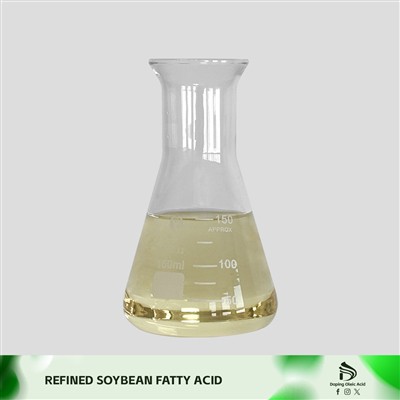
In the dynamic world of chemical supply, one of the most frequently asked questions by our clients is about the shelf - life of low - price fatty acid. As a well - established supplier of low - price fatty acids, we understand the significance of this query. It plays a pivotal role in product storage, quality control, and overall cost - efficiency for our customers.
What are Fatty Acids?
Fatty acids are carboxylic acids with a long aliphatic chain, which can be either saturated or unsaturated. They are fundamental building blocks in the synthesis of various products, including soaps, detergents, lubricants, and cosmetics. Our low - price fatty acids are sourced from reliable materials and undergo a series of purification processes to ensure they meet the industry standards while maintaining an affordable price point.

Factors Affecting the Shelf - Life of Low - Price Fatty Acids
The shelf - life of low - price fatty acids is influenced by multiple factors. Understanding these factors is crucial for both us as suppliers and our customers who rely on our products.
1. Chemical Composition
The degree of saturation is a key determinant. Saturated fatty acids, such as stearic acid, have a more stable structure due to the presence of only single bonds between carbon atoms. They are less prone to oxidation and can generally have a longer shelf - life compared to unsaturated fatty acids like oleic acid. Unsaturated fatty acids, especially those with multiple double bonds, are more reactive and can quickly react with oxygen in the air, leading to oxidation and degradation.
2. Storage Conditions
Storage plays a significant role in maintaining the quality of fatty acids. Temperature is a critical factor. High temperatures can accelerate chemical reactions, including oxidation and hydrolysis. Fatty acids should be stored in a cool, dry place away from direct sunlight. Moisture can also cause hydrolysis of fatty acid esters, leading to the formation of free fatty acids and glycerol. Therefore, proper sealing of containers is essential to prevent moisture ingress.
3. Presence of Contaminants
Contaminants such as metals, dust, or microorganisms can act as catalysts for chemical reactions. Metals, in particular, can accelerate oxidation reactions. For example, iron and copper ions can promote the formation of free radicals, which initiate the oxidation process. Microorganisms can break down fatty acids, leading to spoilage and a reduction in product quality.
Typical Shelf - Life Estimates
Based on our experience and industry knowledge, the shelf - life of our low - price fatty acids can vary. Saturated fatty acids typically have a shelf - life of up to two years under proper storage conditions. For instance, our refined stearic acid can maintain its quality for an extended period when stored in a cool and dry environment.
Unsaturated fatty acids have a relatively shorter shelf - life. Our High IV Oleic Acid/Refined Oleic Acid usually has a shelf - life of about one year. The double bonds in oleic acid make it more susceptible to oxidation, which can lead to a change in odor, color, and chemical properties over time.
However, it's important to note that these are general estimates. The actual shelf - life can be affected by real - world storage conditions and handling practices.
Monitoring and Maintaining Quality
As a responsible supplier, we take several measures to ensure the quality of our low - price fatty acids throughout their shelf - life. We conduct regular quality control checks at every stage of production, from raw material sourcing to finished product packaging. Our products are stored in state - of - the - art warehouses with strict temperature and humidity controls.
For our customers, we recommend regular inspection of stored fatty acids. Visual inspection can help detect any signs of oxidation, such as a change in color or the presence of sediment. Odor is also a good indicator. A rancid smell may suggest oxidation or microbial contamination. Additionally, customers can conduct simple chemical tests, if possible, to monitor the acid value and peroxide value, which are important parameters for assessing the quality of fatty acids.
Applications of Low - Price Fatty Acids
Our low - price fatty acids find a wide range of applications in different industries. In the soap and detergent industry, fatty acids are used to produce soap bars and liquid detergents. The long - chain fatty acids react with alkalis to form soap molecules, which have excellent cleaning properties.
In the lubricant industry, fatty acids are used as additives to improve the anti - wear and anti - corrosion properties of lubricants. Our Refined Soya Fatty Acid Tallow Distilled Fatty Acid Hydrolyzation Fatty Acid Span80 Animal Oliec Acid Stearic Acid Antiwear Agent For Diesel is a popular choice among lubricant manufacturers due to its cost - effectiveness and performance.
In the paint and coating industry, fatty acids are used as raw materials for the production of alkyd resins. Our Raw Material For Paint Alkyd Resin Coating Dimer Acid Additive Agent For Diesel provides the necessary flexibility and adhesion properties to paint films.
Ensuring a Long Shelf - Life for Our Customers
We understand that our customers rely on the long - term quality of our low - price fatty acids for their production processes. That's why we provide detailed storage and handling instructions with every shipment. We also offer after - sales support to address any questions or concerns regarding product quality and shelf - life.
In addition, we are constantly working on improving our production processes to enhance the stability of our fatty acids. This includes the use of antioxidants and other additives to prevent oxidation and extend the shelf - life of our products without significantly increasing the cost.
Conclusion
The shelf - life of low - price fatty acids is a complex topic influenced by various factors such as chemical composition, storage conditions, and the presence of contaminants. As a supplier, we are committed to providing high - quality, cost - effective fatty acids with a reasonable shelf - life. By understanding the factors that affect shelf - life and taking appropriate measures to maintain product quality, both we and our customers can ensure the efficient use of our low - price fatty acids.
If you are interested in purchasing our low - price fatty acids or have any questions about their shelf - life, please feel free to contact us for further discussion and procurement negotiation. We look forward to serving you and meeting your fatty acid needs.
References
- Morrison, R. T., & Boyd, R. N. (1992). Organic Chemistry. Prentice Hall.
- Furia, T. E. (1979). CRC Handbook of Food Additives. CRC Press.