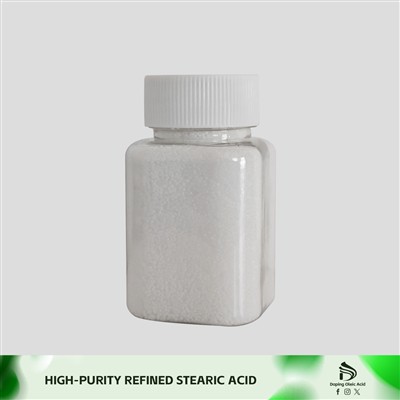
Soya stearic acid, a versatile and widely - used fatty acid, has garnered significant attention in various industries. As a supplier of soya stearic acid, I am often asked about its price per kilogram. In this blog, I will delve into the factors influencing the price of soya stearic acid and provide insights to help you understand this market better.


What is Soya Stearic Acid?
Soya stearic acid is derived from soybean oil through a series of chemical processes. It is a saturated fatty acid with a long hydrocarbon chain. This fatty acid is known for its excellent chemical stability, lubricating properties, and emulsifying capabilities. Due to these features, it finds applications in numerous sectors, including cosmetics, plastics, rubber, and food industries.
In the cosmetics industry, soya stearic acid acts as an emulsifier, helping to blend oil and water - based ingredients in creams, lotions, and makeup products. It also provides a smooth texture and enhances the stability of the final product. In the plastics and rubber industries, it serves as a lubricant and release agent, preventing products from sticking to molds during the manufacturing process.
Factors Affecting the Price of Soya Stearic Acid
1. Raw Material Costs
The price of soybean oil, the primary raw material for soya stearic acid, is a major determinant of its price. Soybean oil prices are subject to fluctuations in the global agricultural market. Factors such as weather conditions, crop yields, and international trade policies can have a significant impact on soybean production and, consequently, the price of soybean oil. For example, a drought in major soybean - producing regions can lead to a decrease in crop yields, resulting in higher prices for soybean oil. This, in turn, will increase the production cost of soya stearic acid and push up its market price.
2. Production and Processing Costs
The production of soya stearic acid involves several complex processes, including hydrolysis, distillation, and purification. Each step requires specific equipment, energy, and labor. Rising energy costs, such as the price of electricity and natural gas, can increase the overall production cost. Additionally, strict environmental regulations may require manufacturers to invest in pollution - control equipment, further adding to the production expenses. These increased costs are often passed on to the consumers, leading to higher prices for soya stearic acid.
3. Market Demand and Supply
The balance between market demand and supply also plays a crucial role in determining the price of soya stearic acid. When the demand for soya stearic acid exceeds the supply, prices tend to rise. This can occur when there is a sudden increase in demand from industries such as cosmetics or plastics. On the other hand, if the supply of soya stearic acid is abundant due to increased production or reduced demand, prices are likely to fall.
4. Quality and Purity
The quality and purity of soya stearic acid can vary. Higher - quality products with greater purity levels often command a higher price. For instance, Soya Stearic Acid in High Quality is suitable for applications where strict quality standards are required, such as in the pharmaceutical and food industries. These products may undergo more rigorous purification processes, which increase their production cost and, thus, their market price.
Current Price Range
As of [current date], the price of soya stearic acid per kilogram can range from [lower price range] to [higher price range]. However, it is important to note that these prices are subject to change based on the factors mentioned above. For more accurate and up - to - date pricing information, it is advisable to contact a reliable supplier.
Our Product Offerings
We are a leading supplier of soya stearic acid, offering a wide range of products to meet the diverse needs of our customers. Our product portfolio includes Stearic Acid Beads Triple Pressed, which are ideal for applications requiring a high degree of purity and uniformity. We also provide Stearic Acid Slab/stearic Acid For Pvc, which is specifically formulated for use in the PVC industry.
All our products are manufactured using state - of - the - art technology and adhere to strict quality control standards. We ensure that our soya stearic acid products are of the highest quality and meet the requirements of various industries.
Conclusion
The price of soya stearic acid per kilogram is influenced by multiple factors, including raw material costs, production and processing expenses, market demand and supply, and product quality. As a supplier, we understand the importance of providing high - quality products at competitive prices. We strive to keep our prices stable by optimizing our production processes and maintaining good relationships with our raw material suppliers.
If you are interested in purchasing soya stearic acid, we invite you to contact us for a detailed quotation. Our team of experts is ready to assist you with your specific requirements and provide you with the best possible solutions. We look forward to establishing a long - term business relationship with you.
References
- "The Chemistry and Applications of Fatty Acids" - A comprehensive textbook on fatty acids and their industrial uses.
- International Trade Reports on Soybean Oil - These reports provide insights into the global soybean oil market and its price trends.
- Industry Journals on Cosmetics, Plastics, and Rubber - These journals often publish articles on the latest developments and price trends in the soya stearic acid market.