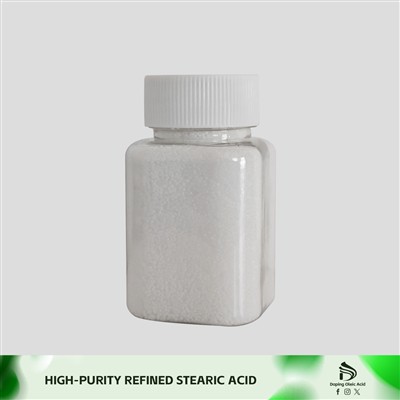
As a supplier of Palm Stearic Acid, I've witnessed firsthand how the price of this versatile commodity is intricately linked to the energy sector. Palm stearic acid, a derivative of palm oil, finds its use in a wide range of industries, from cosmetics to rubber manufacturing. However, its price is not set in isolation but is heavily influenced by the dynamics of the energy market.
The Basics of Palm Stearic Acid
Palm stearic acid is obtained through the fractionation of palm oil. It is a saturated fatty acid with a high melting point, which makes it suitable for various industrial applications. In the cosmetic industry, it is used as an emulsifier and thickener, giving products like creams and lotions their smooth texture. In the rubber industry, it acts as a processing aid, improving the flow and moldability of rubber compounds.
The production of palm stearic acid is a complex process that involves several steps, including refining, bleaching, and deodorizing of palm oil. The cost of these processes is directly related to the price of energy, particularly electricity and natural gas. As energy prices rise, the cost of producing palm stearic acid also increases, leading to higher prices for the end product.
Energy Costs in Production
One of the primary ways in which the energy sector affects the price of palm stearic acid is through the cost of production. The fractionation process, which separates palm oil into different components, requires a significant amount of energy. This energy is used to heat the palm oil to specific temperatures and maintain these temperatures throughout the process.
In addition to the fractionation process, other steps in the production of palm stearic acid, such as transportation and storage, also consume energy. For example, trucks and ships are used to transport palm oil from plantations to refineries and then to customers. These vehicles run on diesel or gasoline, the prices of which are closely tied to the global energy market.
When energy prices are high, the cost of producing and transporting palm stearic acid increases. As a result, suppliers are forced to raise their prices to maintain their profit margins. This increase in price is then passed on to the end consumers, who may reduce their demand for palm stearic acid due to the higher cost.
Substitution and Competition
Another way in which the energy sector impacts the price of palm stearic acid is through substitution and competition. When energy prices are high, manufacturers may look for alternative sources of fatty acids that are less energy-intensive to produce. One such alternative is Soya Stearic Acid for Rubber Industry, which can be used in many of the same applications as palm stearic acid.
Soya stearic acid is derived from soybean oil, which is a renewable resource. The production of soya stearic acid may require less energy compared to palm stearic acid, especially if the soybean oil is produced using sustainable farming practices. As a result, when energy prices are high, the demand for soya stearic acid may increase, leading to a decrease in the demand for palm stearic acid.
On the other hand, the availability and price of other substitutes, such as Soya Stearic Acid for Plastic Industry and Soya Stearic Acid in High Quality, also play a role in determining the price of palm stearic acid. If these substitutes are readily available and priced competitively, manufacturers may switch to using them instead of palm stearic acid.
Biofuel Demand
The energy sector's influence on the price of palm stearic acid is also evident in the growing demand for biofuels. Palm oil is one of the feedstocks used in the production of biodiesel, a renewable alternative to diesel fuel. As the demand for biofuels increases, more palm oil is diverted from the production of palm stearic acid to the production of biodiesel.
This shift in demand can have a significant impact on the price of palm stearic acid. When more palm oil is used for biofuel production, the supply of palm oil available for the production of palm stearic acid decreases. As a result, the price of palm stearic acid may increase due to the reduced supply.
Moreover, the production of biodiesel is also energy-intensive, and the price of biodiesel is closely related to the price of fossil fuels. When the price of fossil fuels is high, the demand for biodiesel increases, leading to a higher demand for palm oil and, consequently, a higher price for palm stearic acid.
Global Energy Market Trends
The global energy market is constantly changing, and these changes have a direct impact on the price of palm stearic acid. For example, geopolitical events, such as conflicts in oil-producing regions, can disrupt the supply of oil and gas, leading to higher energy prices. In addition, changes in government policies, such as the implementation of carbon taxes or subsidies for renewable energy, can also affect the price of energy.
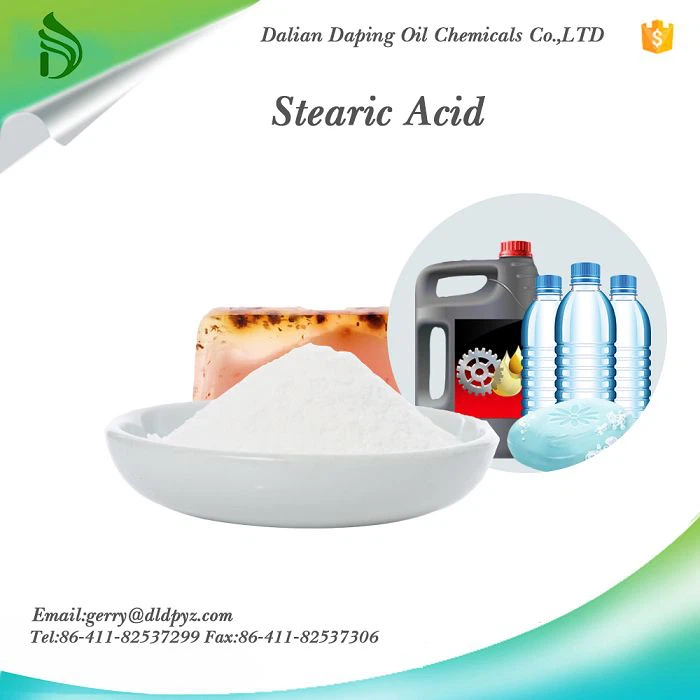

As a supplier of palm stearic acid, I closely monitor these global energy market trends to anticipate changes in the price of my product. By staying informed about the latest developments in the energy sector, I can adjust my production and pricing strategies accordingly to remain competitive in the market.
Impact on the Industry
The relationship between the energy sector and the price of palm stearic acid has a significant impact on the industries that use this product. For example, the cosmetic industry, which relies heavily on palm stearic acid for its products, may face higher costs if the price of palm stearic acid increases. This can lead to higher prices for cosmetic products, which may reduce consumer demand.
Similarly, the rubber and plastic industries, which also use palm stearic acid as a processing aid, may be affected by the price fluctuations. These industries may need to find alternative processing aids or adjust their production processes to reduce their reliance on palm stearic acid.
Conclusion
In conclusion, the price of palm stearic acid is closely related to the energy sector. Energy costs in production, substitution and competition, biofuel demand, and global energy market trends all play a role in determining the price of this important commodity. As a supplier of palm stearic acid, I understand the challenges and opportunities presented by these relationships.
If you are interested in purchasing high-quality palm stearic acid or have any questions about our products, please feel free to contact us for further discussion and potential procurement. We are committed to providing our customers with the best products at competitive prices.
References
- "The Economics of Palm Oil Production and Trade" - International Food Policy Research Institute
- "Energy and the Chemical Industry" - American Chemical Society
- "Biofuels: A Global Market Analysis" - Renewable Energy Policy Network for the 21st Century