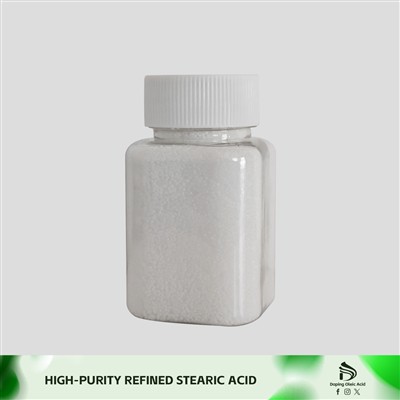
As a trusted supplier to stearic acid factories, I've had the privilege of witnessing firsthand the rigorous measures these facilities take to ensure the safety of their production operations. Stearic acid, a widely used fatty acid in various industries such as cosmetics, plastics, and rubber, requires a high - level of safety management due to its chemical nature and the processes involved in its production.
Understanding the Risks in Stearic Acid Production
Before delving into the safety measures, it's essential to understand the potential risks associated with stearic acid production. The manufacturing process typically involves the hydrolysis of fats and oils, which can be a high - temperature and high - pressure operation. These conditions pose risks of explosion and fire if not properly controlled. Additionally, the raw materials used in stearic acid production, such as animal fats or vegetable oils, can be flammable, and the chemicals involved in the refining process, like sulfuric acid, are corrosive and hazardous.
Another significant risk is related to the handling and storage of stearic acid itself. Stearic acid is a combustible solid, and improper storage can lead to dust explosions. Inhalation of stearic acid dust can also cause respiratory problems for workers, so controlling dust emissions is crucial.
Design and Construction of Safe Production Facilities
The first step in ensuring safety is the proper design and construction of the production facilities. A stearic acid factory must be built in accordance with strict building codes and safety standards. The layout of the plant should be carefully planned to separate different production processes, such as hydrolysis, distillation, and packaging, to prevent the spread of fire or explosion.
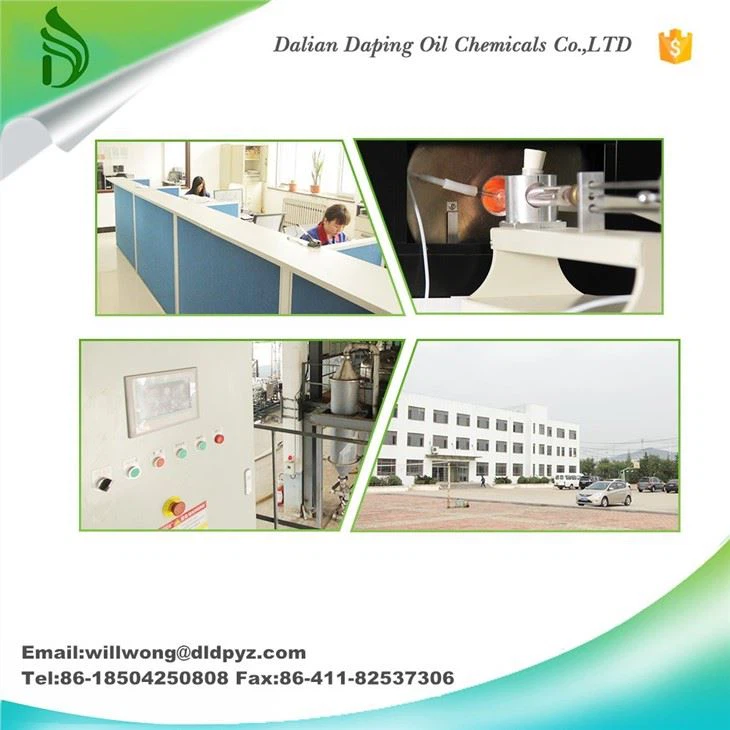
For example, the areas where high - temperature reactions occur should be isolated from storage areas and other parts of the plant. Fire - resistant materials should be used in the construction of buildings and equipment to minimize the damage in case of a fire. The ventilation systems are also a key part of the design. Adequate ventilation can remove flammable gases, vapors, and dust from the work environment, reducing the risk of explosion and protecting the health of workers.
Equipment Safety and Maintenance
All equipment used in stearic acid production must meet high - quality safety standards. For instance, the reactors used in the hydrolysis process should be equipped with pressure relief valves to prevent over - pressurization. Temperature sensors are also essential to monitor and control the reaction temperature, ensuring that it stays within the safe range.
Regular maintenance of equipment is equally important. A preventive maintenance schedule should be established to inspect, repair, and replace equipment components on a regular basis. This can help detect and fix potential problems before they lead to safety incidents. For example, the seals on pumps and valves should be checked regularly to prevent leaks of hazardous chemicals.
Employee Training and Safety Awareness
Employees are the most important asset in a stearic acid factory, and their safety awareness and training are crucial for maintaining a safe working environment. All employees should receive comprehensive safety training before they start working in the plant. This training should cover topics such as the proper handling of chemicals, the use of personal protective equipment (PPE), and emergency response procedures.
Regular safety meetings and drills should also be conducted to reinforce safety awareness. For example, fire drills should be carried out at least once a quarter to ensure that employees know how to evacuate the plant safely in case of a fire. First - aid training can also be provided to enable employees to respond quickly to injuries.
Hazardous Material Management
Proper management of hazardous materials is a cornerstone of safety in a stearic acid factory. This includes the storage, handling, and disposal of raw materials and finished products. Raw materials such as fats, oils, and chemicals should be stored in designated areas with appropriate safety measures. For example, flammable materials should be stored in fire - proof storage cabinets, and corrosive chemicals should be stored in acid - resistant containers.
When handling hazardous materials, employees should follow strict procedures to prevent spills and leaks. In case of a spill, there should be a spill response plan in place, which includes the use of spill - containment equipment and the proper cleanup of the spilled material. The disposal of waste materials from stearic acid production should also be carried out in accordance with environmental regulations to prevent pollution.
Emergency Preparedness and Response
Despite all the preventive measures, emergencies can still occur in a stearic acid factory. Therefore, having a well - developed emergency preparedness and response plan is essential. The plan should include procedures for dealing with fires, explosions, chemical spills, and other emergencies.
Emergency response teams should be established, and their members should be trained to handle different types of emergencies. The factory should be equipped with emergency equipment such as fire extinguishers, sprinkler systems, and emergency showers. Regular drills should be conducted to test the effectiveness of the emergency response plan and to ensure that all employees are familiar with the procedures.
Quality Control and Safety
Quality control is closely related to safety in stearic acid production. High - quality stearic acid products are less likely to cause problems during use, and a reliable quality control system can also help identify potential safety issues in the production process. For example, if the stearic acid product does not meet the specified purity standards, it may indicate problems in the production process that could pose safety risks.
As a supplier, I provide high - quality raw materials to stearic acid factories, which helps them maintain the quality of their products. You can find more information about our Stearic Acid Rubber Grade, which is widely used in the rubber industry. Our High Quality Stearic Acid China Chemicals Supplier is committed to providing products that meet the highest safety and quality standards. And if you are interested in the price of Rubber Grade Triple Pressed Stearic Acid Price, you can visit our website for more details.
Conclusion
Ensuring the safety of production facilities in a stearic acid factory is a complex and continuous process. It requires a combination of proper design and construction, equipment safety and maintenance, employee training, hazardous material management, emergency preparedness, and quality control. By implementing these measures, stearic acid factories can minimize the risks associated with production and create a safe working environment for their employees.
If you are in the market for stearic acid and are concerned about the safety and quality of the products, we are here to help. Our company has years of experience in supplying high - quality stearic acid to factories around the world. We invite you to contact us for procurement negotiations. We are confident that our products and services will meet your needs and expectations.
References
- Chemical Safety and Hazard Investigation Board. (Year). Incident reports related to fatty acid production.
- Occupational Safety and Health Administration. (Year). Guidelines for chemical manufacturing safety.
- International Labour Organization. (Year). Safety in the chemical industry.