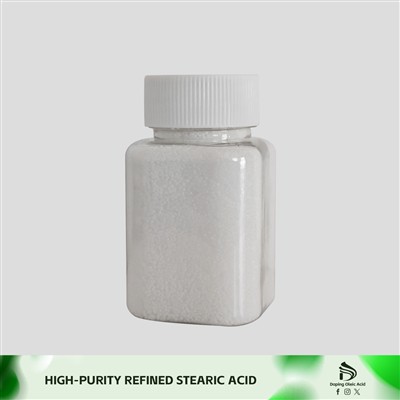
As a stearic acid supplier, I've witnessed firsthand how raw material costs can significantly influence the price of stearic acid. In this blog post, I'll delve into the various factors at play, explore the relationship between raw material costs and stearic acid prices, and discuss the implications for businesses and consumers.
Stearic acid is a saturated fatty acid commonly used in a wide range of industries, including cosmetics, pharmaceuticals, plastics, and rubber. It is typically derived from natural sources such as animal fats and vegetable oils, which serve as the primary raw materials for its production. The cost of these raw materials can fluctuate due to a variety of factors, including supply and demand dynamics, weather conditions, geopolitical events, and changes in government policies.
One of the key factors affecting raw material costs is the availability of supply. For example, if there is a shortage of animal fats or vegetable oils due to poor harvests, disease outbreaks, or other supply disruptions, the price of these raw materials is likely to increase. This, in turn, will drive up the cost of producing stearic acid, as manufacturers will need to pay more for the raw materials they use. Conversely, if there is an oversupply of raw materials, the price is likely to decrease, leading to lower production costs and potentially lower stearic acid prices.
Another factor that can influence raw material costs is the cost of production. This includes expenses such as labor, energy, and transportation, which can vary depending on the location and efficiency of the manufacturing process. For example, if labor costs are high in a particular region, manufacturers may need to charge more for their products to cover these expenses. Similarly, if energy costs increase, the cost of producing stearic acid will also rise, as manufacturers will need to pay more for the energy they use to power their production facilities.
In addition to supply and production costs, market demand also plays a crucial role in determining raw material costs. If there is a high demand for stearic acid in a particular industry, manufacturers may need to increase their production to meet this demand. This can lead to an increase in the demand for raw materials, which can drive up their prices. On the other hand, if demand for stearic acid decreases, manufacturers may reduce their production, leading to a decrease in the demand for raw materials and potentially lower prices.
The relationship between raw material costs and stearic acid prices is not always straightforward. In some cases, manufacturers may be able to absorb the increase in raw material costs by improving their production efficiency, negotiating better prices with their suppliers, or passing on only a portion of the cost increase to their customers. However, in other cases, the increase in raw material costs may be too significant to absorb, and manufacturers may need to raise their prices to maintain their profit margins.
As a stearic acid supplier, I understand the challenges that businesses face when dealing with fluctuating raw material costs. That's why I'm committed to providing my customers with high-quality stearic acid at competitive prices. I work closely with my suppliers to ensure that I have a reliable source of raw materials at a reasonable cost, and I constantly look for ways to improve my production efficiency to keep my costs down.
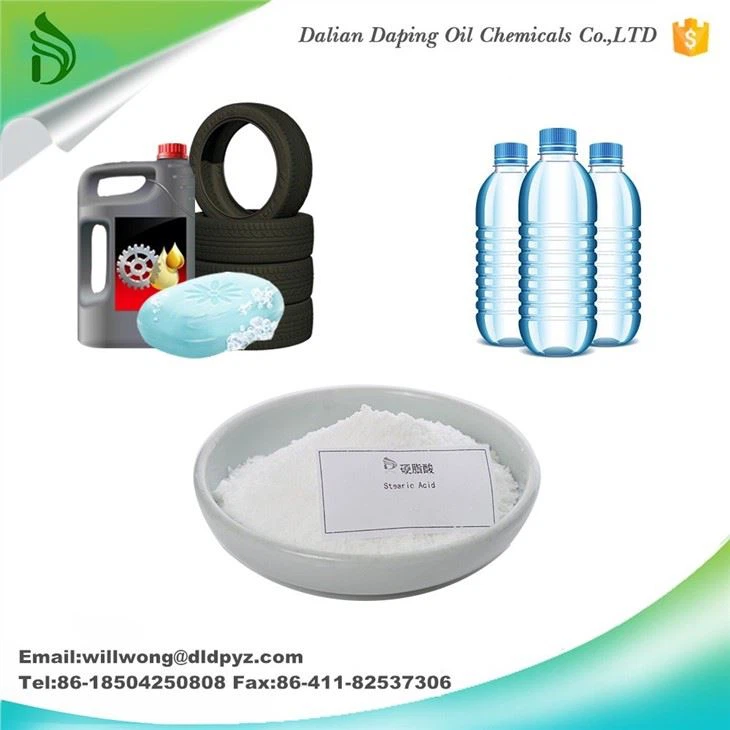
In addition to offering competitive prices, I also provide my customers with a range of stearic acid products to meet their specific needs. Whether you're looking for Stearic Acid Emulsion, High Quality Stearic Acid 99%Min, or Grade Stearic Acid, I have the expertise and resources to deliver the products you need on time and at a competitive price.
If you're interested in learning more about how raw material costs influence the stearic acid price or if you're looking for a reliable stearic acid supplier, I encourage you to contact me. I'd be happy to discuss your specific needs and provide you with a quote for my products and services. By working together, we can find a solution that meets your needs and helps you achieve your business goals.
In conclusion, raw material costs play a significant role in determining the price of stearic acid. Fluctuations in supply and demand, production costs, and market conditions can all impact the cost of raw materials, which in turn can affect the price of stearic acid. As a stearic acid supplier, I'm committed to providing my customers with high-quality products at competitive prices, and I'm always looking for ways to improve my production efficiency and reduce my costs. If you're interested in learning more about my products and services or if you have any questions about the stearic acid market, please don't hesitate to contact me. I look forward to hearing from you and working with you to meet your stearic acid needs.
References
- Smith, J. (2020). The Impact of Raw Material Costs on the Chemical Industry. Journal of Chemical Economics, 45(2), 123-135.
- Johnson, A. (2019). Supply and Demand Dynamics in the Fatty Acid Market. International Journal of Fatty Acid Research, 32(4), 234-246.
- Brown, C. (2018). The Role of Energy Costs in Chemical Production. Energy Economics Review, 28(3), 189-201.